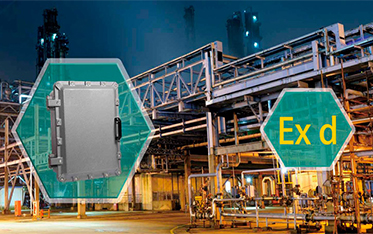
Electrical equipment in hazardous areas must be suitable for environments where flammable gases, vapors, or combustible dust may create an explosion risk. The required certification depends on the installation location, hazardous area classification, equipment design, and local regulations. For buyers, understanding these requirements helps prevent compliance issues, avoid unsuitable products, and make more informed purchasing decisions.
Why Is Certification Required for Electrical Equipment in Hazardous Areas?
Certification provides evidence that equipment has been assessed against applicable explosion-protection standards. Depending on the protection method, the design may prevent ignition, limit surface temperatures, or contain an internal explosion. However, certification alone does not guarantee safety: the equipment must also match the actual site conditions and be installed according to its approved instructions.
For project teams, certification is also a procurement requirement. Selecting equipment that meets the destination market’s rules can reduce approval delays and help avoid costly replacements during installation or inspection.
What Are the Main Certifications for Electrical Equipment in Hazardous Areas?
The main certification systems vary by market. ATEX applies to equipment within the scope of EU Directive 2014/34/EU for potentially explosive atmospheres. IECEx is an international certification scheme based on relevant IEC standards, with certificates available through its official online system. In North America, equipment may need approval for hazardous locations under applicable US or Canadian requirements, such as certification from an appropriately recognized testing organization. The UK has its own UKEX framework for relevant equipment placed on its market.
These systems are not automatically interchangeable. IECEx can support international acceptance, but individual countries may still require national approval or additional procedures. Before ordering, confirm which certification and marking are accepted for the project’s country and industry.
How Do Hazardous Area Classifications Affect Certification Requirements?
The required protection depends on the type and likelihood of an explosive atmosphere. In the North American Class/Division system, Class I covers flammable gases or vapors, while Division 1 and Division 2 distinguish different likelihoods of their presence. In the Zone system commonly used internationally, gas hazards are classified as Zone 0, Zone 1, or Zone 2; combustible dust has separate zone classifications. These systems use different terminology and should not be treated as directly interchangeable without checking the applicable code.
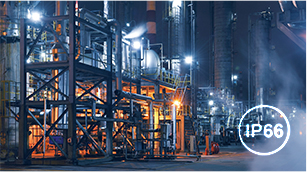
Buyers should also verify the gas or dust group, temperature class, equipment protection level, ambient temperature range, and required ingress protection. These details help determine whether a product is suitable for the specific installation—not simply whether it is described as “explosion-proof.”
What Documents Should Buyers Verify Before Purchasing Hazardous Area Equipment?
Request the certificate for the exact product model and check its certificate number, issuing body, applicable standards, protection concept, gas or dust group, temperature rating, and any special conditions of use. Compare these details with the product nameplate and technical datasheet. For IECEx equipment, buyers can check the official IECEx certificate information to confirm the certificate record and current status. A brochure or supplier statement alone is not a substitute for verifying the certification scope.
Also review installation instructions and the approved configuration, including cable glands, entries, plugs, terminals, and accessories where relevant. A certified enclosure does not automatically mean every assembled configuration is approved. For enclosure options, review the relevant explosion proof electrical enclosure specifications and confirm that the selected model meets the project requirements.
How to Choose Certified Electrical Equipment for Your Project
Start by confirming the destination market, site classification, hazardous substance, environmental conditions, and applicable electrical code. Then compare the product’s certification and markings with the project specification. For outdoor or industrial installations, consider corrosion resistance, ingress protection, operating temperature, cable-entry requirements, and maintenance access alongside explosion protection.
Ask the supplier for the certificate, datasheet, installation instructions, and written confirmation of the exact model and configuration being offered. If the project specifies a particular protection method, such as flameproof protection, verify that the certificate covers that method and intended use. Technical background on flameproof electrical equipment can help buyers understand the role of protection design and testing.
Common Certification Mistakes to Avoid
One common mistake is assuming that CE marking alone proves equipment is suitable for hazardous areas. CE marking indicates conformity with applicable EU requirements; it is not, by itself, proof of explosion-protection certification. Another mistake is assuming ATEX, IECEx, UL, and CSA approvals are interchangeable. Their acceptance depends on the destination market, the applicable regulations, and the exact product approval.
Buyers should also avoid checking only the certificate logo while overlooking model numbers, protection markings, certificate status, or special conditions of use. Verify the certificate through the relevant official database and make sure the supplied product matches the certified design. For EU projects, consult the European Commission's official ATEX guidance.
Frequently Asked Questions About Hazardous Area Equipment Certification
Is IECEx certification accepted in every country?
No. Some countries may require national certification, approval, or additional procedures even when an IECEx certificate is available. Always check local requirements before purchasing.
Can one product have multiple hazardous area certifications?
Yes. A product may hold certifications for more than one market, but each certificate must cover the specific model and intended application. How can I verify a certificate? Search the relevant certification body’s official database and compare the certificate details with the product markings and supplier documentation.


 English
 Español
 português
 русский
 日本語
 العربية
 français
 Deutsch
 한국어
 italiano
 Malay
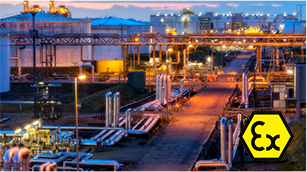
 ATEX/IECEx Standard
 Each member of the SUREALL team works hard to save energy, reduce budget, maximize durability, bring success to every project for every customer. Here are just a few examples of how we've impacted the markets we're proud to serve.View More +