Search
×

Technical Insights

SUREALL share cutting-edge technical standard for electrical products in hazardous locations for manufacturers, traders, engineering company, users.

Explosion Proof Junction Box vs Control Panel: Key Differences

In hazardous industrial environments such as oil and gas facilities, chemical plants, offshore platforms, and refineries, electrical equipment must be designed to operate safely in the presence of flammable gases, vapors, or combustible dust. Among the most commonly used explosion-protected electrical assemblies are explosion proof junction boxes and explosion proof control panels.


What Are Explosion-proof Junction Boxes?

An explosion-proof junction box is a specially designed electrical product used in hazardous areas where flammable or explosive substances may be present. These hazardous materials include gases, vapors, dust, and fibers.


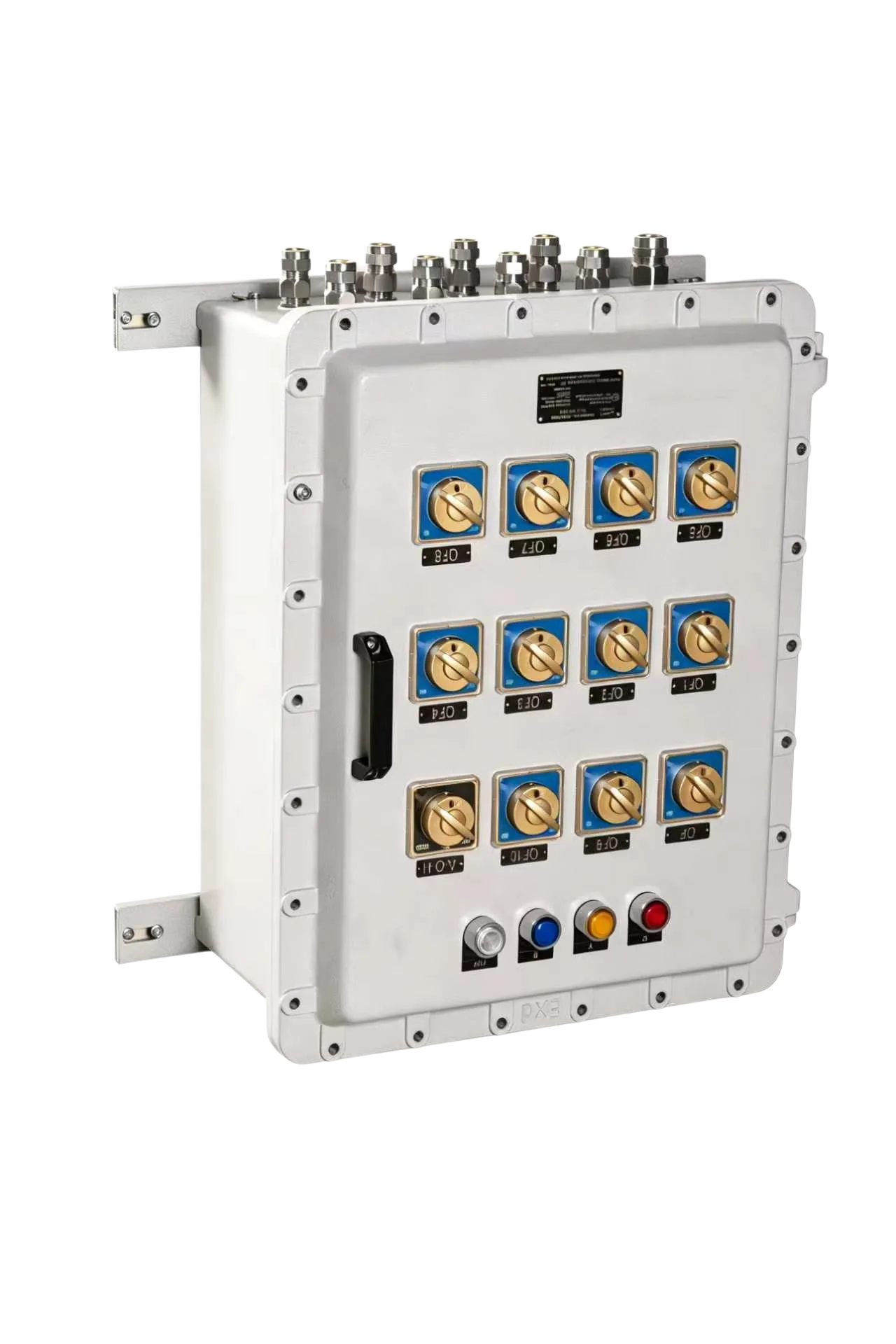
What is an Explosion-proof Panel?

An Ex-proof panel (explosion-proof control panel or distribution panel) is an electrical enclosure specially designed for use in hazardous areas where flammable gases, vapors, or combustible dust may be present. Such environments are commonly found in industries such as oil and gas, chemical processing, pharmaceuticals, mining, and grain handling.


Temperature Class (T1–T6) in Explosion Proof Enclosures Explained

When selecting explosion proof equipment for hazardous areas, engineers often focus on explosion protection methods such as Ex d or Ex e. However, another specification is equally important for safety—the Temperature Class, commonly identified as T1 through T6. Temperature Class determines the maximum surface temperature that an explosion proof enclosure is allowed to reach during normal operation. If the enclosure surface becomes hotter than the auto-ignition temperature of the surrounding hazardous gas or vapor, ignition may occur even though the enclosure itself is explosion protected. Whether you are selecting an explosion proof junction box, control panel, lighting fixture, or other electrical enclosure, understanding Temperature Classes is essential for safe equipment selection and regulatory compliance.


Wattages Can be Determinant for Lighting Brightness? 1

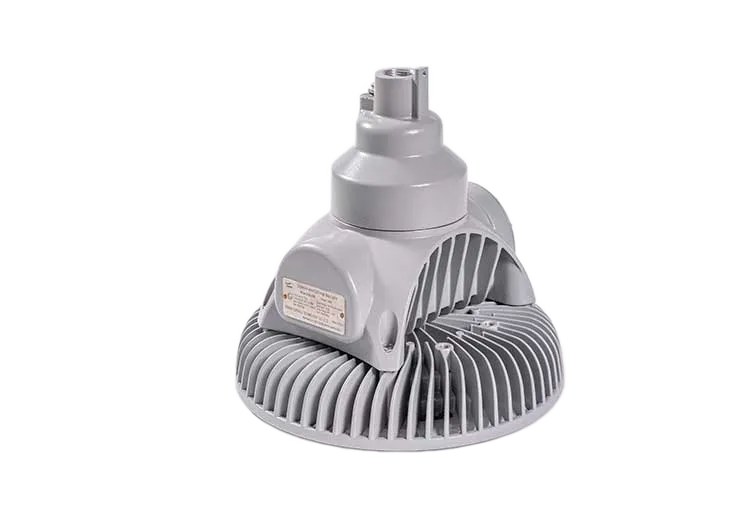
With the rapid technology innovation going forward, light lamps updated the technology in terms of no matter compact design, energy efficiency and environmental sustainability, as a result, lighting fixtures both in explosion proof usage and industrial usage come through several technological revolution in accordance with the relevant matched housing structure, fixtures shape, lamp source locations.


Ex d vs Ex e Enclosures: Which One Should You Choose? 2

Ex d and Ex e are two of the most common explosion protection concepts used for industrial enclosures. However, many people misunderstand the difference between them.


Corrosion Protection Strategies for Explosion Proof Lighting in Coastal and Chemical Environments 3

Explosion proof lighting plays a critical role in hazardous industrial environments, providing safe and reliable illumination in locations where flammable gases, vapors, or combustible dust may be present. These luminaires are widely used in offshore oil and gas platforms, petrochemical plants, chemical processing facilities, marine terminals, wastewater treatment plants, and other industrial applications.


Cable Entry Design in Explosion Proof Lighting: Why Most Failures Start at the Cable Entry 4

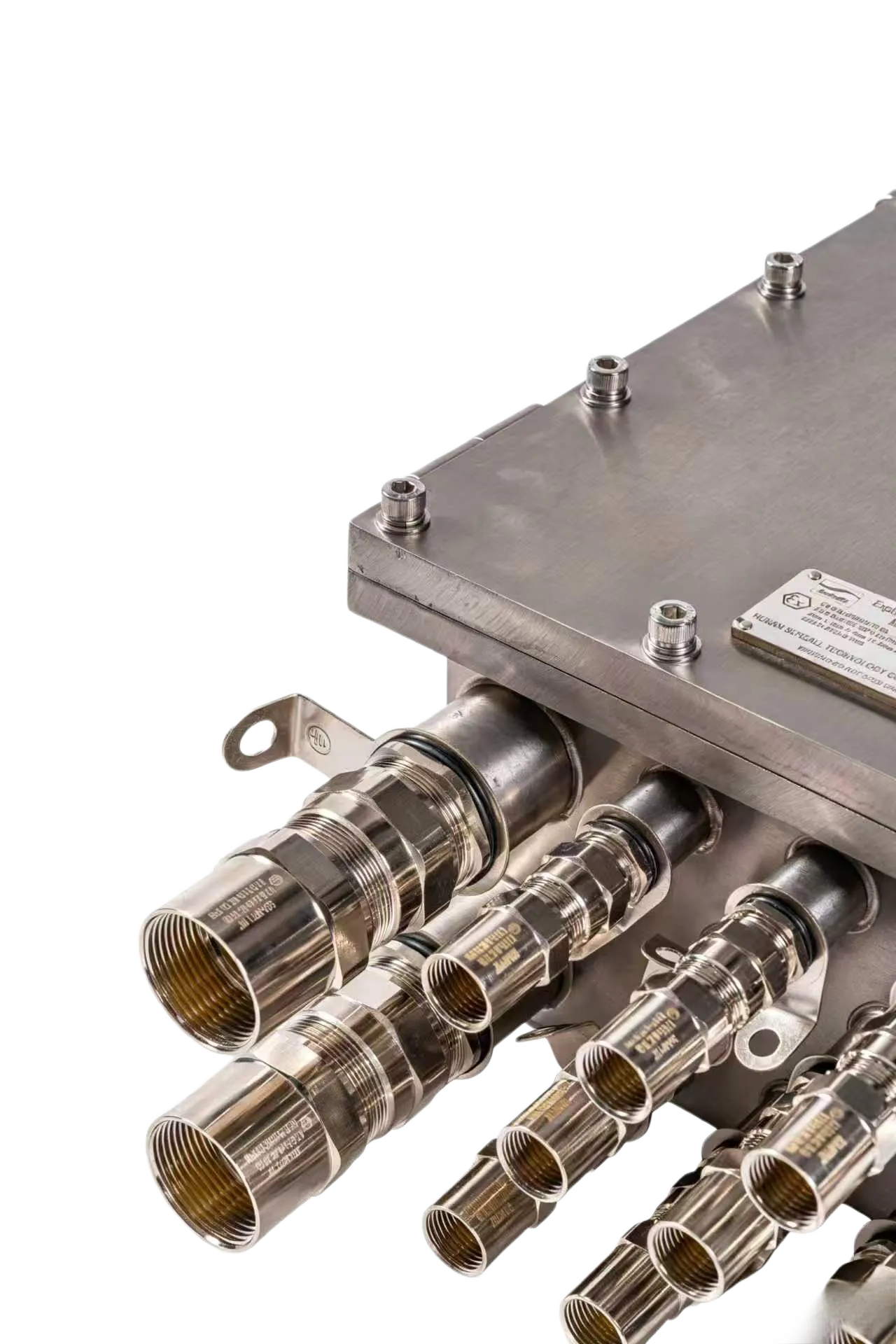
When discussing explosion proof lighting, engineers often focus on LED performance, housing strength, ingress protection ratings, or explosion protection certifications. However, one of the smallest components of the entire assembly is often responsible for some of the most common installation and reliability problems—the cable entry. A flameproof enclosure can only maintain its certified protection if every entry point is properly designed, machined, and assembled. An incorrectly selected cable gland, mismatched thread, or poorly sealed unused entry can compromise the integrity of the enclosure, allowing moisture ingress, accelerating corrosion, or even invalidating the explosion protection concept.


Cable Entry Design in Explosion Proof Lighting: Why Most Failures Start at the Cable Entry

How to Choose the Right Explosion Proof Junction Box (Step-by-Step Guide)

Explosion proof junction boxes are widely used in hazardous area electrical systems. Since they are responsible for cable and circuit connections, they play an important role in both electrical safety and system reliability.


Selection of Explosion Proof Fittings for Flexible vs. Armored Cables

In hazardous areas, selecting the correct cable is only part of ensuring a safe and compliant installation. The performance of explosion proof fittings, including cable glands and sealing accessories, is equally important.


Selection of Explosion Proof Fittings for Flexible vs. Armored Cables

In hazardous areas, selecting the correct cable is only part of ensuring a safe and compliant installation. The performance of explosion proof fittings, including cable glands and sealing accessories, is equally important.


Thread Standards in Explosion Proof Fittings: NPT vs. Metric vs. BSPT Compatibility Challenges

Threaded connections are among the most overlooked aspects of explosion proof installations. While engineers often focus on enclosure ratings, hazardous area classifications, and equipment certifications, an incompatible thread connection can compromise the safety and integrity of an otherwise compliant system. Explosion proof fittings—including cable glands, conduit fittings, reducers, adapters, stopping plugs, and breather drains—must match the threaded entries of enclosures and equipment. Selecting the wrong thread standard may result in damaged threads, inadequate sealing, reduced mechanical strength, or even the loss of explosion protection.