
 English
  Español
  português
  русский
  日本語
日本語  العربية
  français
  Deutsch
  한국어
한국어  italiano
  Malay
Malay -
Product
-
Explosion Proof
NEC Standard
 ATEX/IECEx Standard
-
Markets
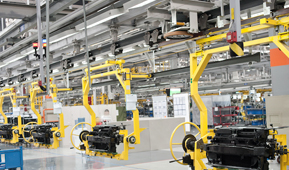
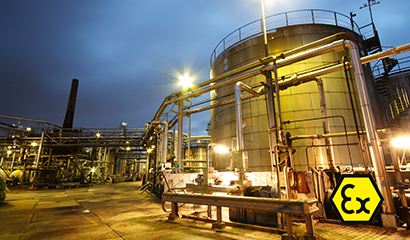
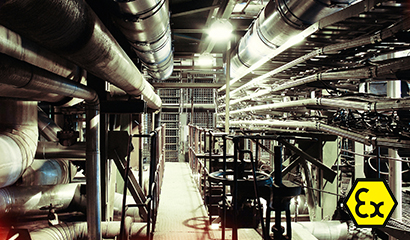
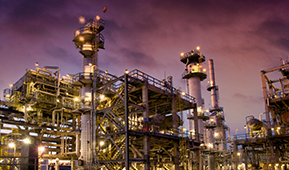
Oil and Gas Chemical & Pharmaceutical Marine & Ports Mining & Metal Food and Beverage Aviation Industrial & Manufacturing Warehouse Street and Tunnel Others View More +
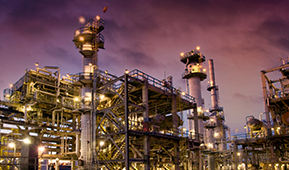 Each member of the SUREALL team works hard to save energy, reduce budget, maximize durability, bring success to every project for every customer. Here are just a few examples of how we've impacted the markets we're proud to serve.View More +
-
Resources
Cutting-edge technical standard for electrical products in hazardous locations for manufacturers, traders, engineering company, users.
Explosion Proof Enclosures Explosion Proof Lighting Explosion Proof Fittings View More +
Professional and comprehensive frequent asked questions and answers invlolved in products guide on the view of users.
Explosion Proof Enclosures FAQ Explosion Proof Lighting FAQ Explosion Proof Fittings FAQ View More +
- Supports
-
Company
Welcome to our media center! Here you can find the latest press releases, such as company events, new arrivals of products, whitepaper, industry summit, technical seminars, magazine articles, stories and opinion pieces.View More +
×