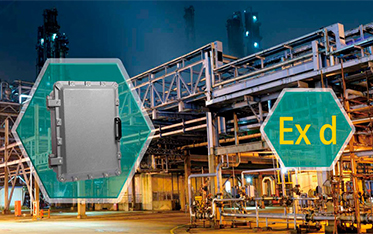
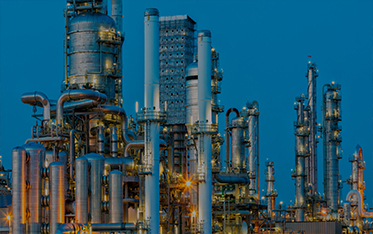
Explosion proof enclosures are essential in oil, gas, and hydrogen facilities because they prevent electrical equipment from igniting flammable atmospheres, ensuring both operational safety and regulatory compliance. In industries where volatile gases and vapors are part of daily operations, even a minor spark can lead to catastrophic consequences. Electrical systems—while critical to operations—are also one of the most common ignition sources. That’s why properly designed enclosures are not just recommended; they are a fundamental requirement.
This article explores why explosion proof enclosures are indispensable in these sectors, how they work, and what factors should guide your selection.
The Unique Risks in Oil, Gas, and Hydrogen Environments
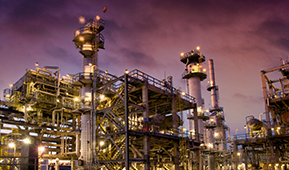
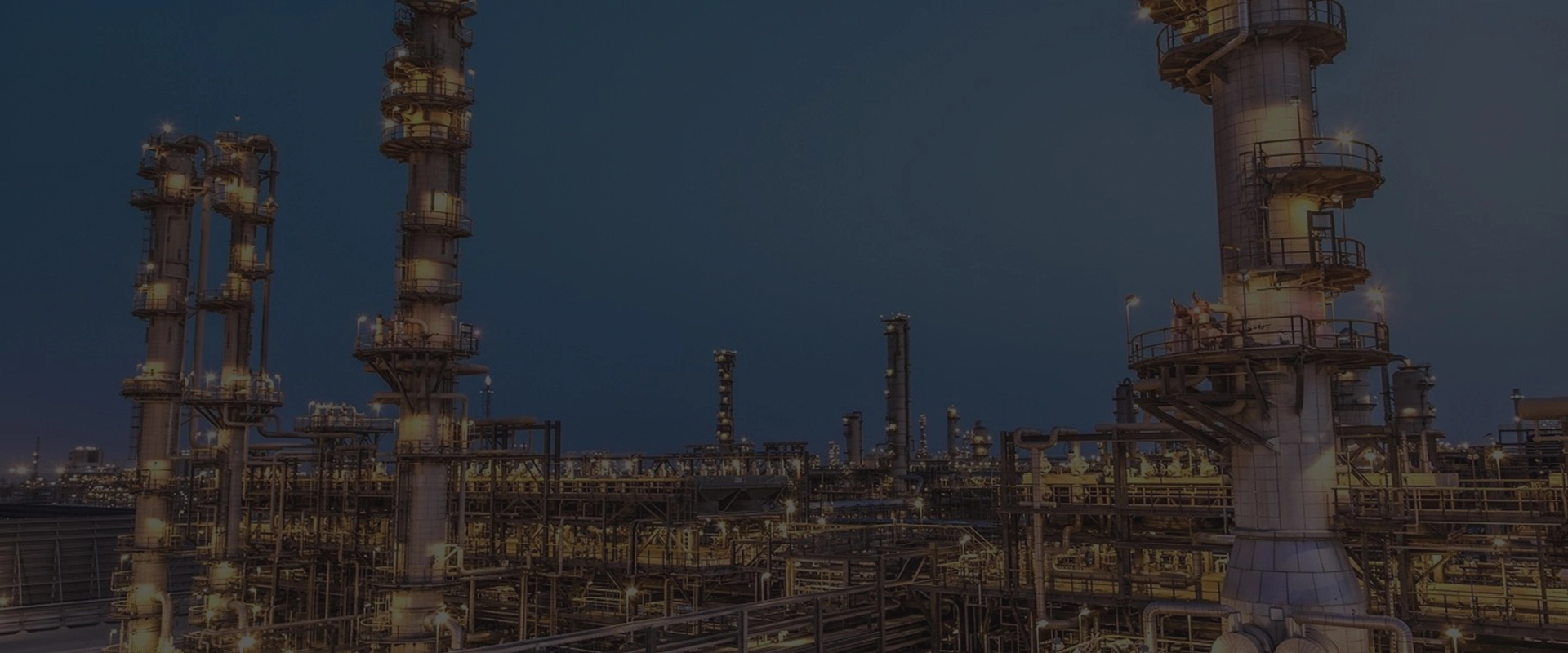
Oil, gas, and hydrogen facilities operate under conditions where explosive atmospheres can form at any time. These risks are not theoretical—they are inherent to the materials being processed.
Flammable Gases and Vapors
Oil and gas facilities often release hydrocarbons such as methane, propane, or benzene
Hydrogen facilities deal with a gas that is highly flammable and diffuses rapidly
Hydrogen, in particular, presents unique challenges:
It has a very low ignition energy
It burns with an almost invisible flame
It can leak through extremely small gaps
The Unique Risks in Oil, Gas, and Hydrogen Environments
Oil, gas, and hydrogen facilities operate under conditions where explosive atmospheres can form at any time. These risks are not theoretical—they are inherent to the materials being processed.
Flammable Gases and Vapors
Oil and gas facilities often release hydrocarbons such as methane, propane, or benzene
Hydrogen facilities deal with a gas that is highly flammable and diffuses rapidly
Hydrogen, in particular, presents unique challenges:
It has a very low ignition energy
It burns with an almost invisible flame
It can leak through extremely small gaps
Continuous and Intermittent Hazard Zones
Facilities are typically divided into classified areas based on risk levels:
Areas where explosive gases are present continuously
Areas where gases may be present during normal operations
Areas where gases are only present under abnormal conditions
Each zone requires different levels of protection, but all demand careful consideration of electrical safety.
Electrical Equipment as an Ignition Source
Electrical systems can generate:
Sparks from switching operations
Heat from overloaded components
Arcing from faulty connections
Without proper protection, these can ignite surrounding gases, leading to explosions.
How Explosion Proof Enclosures Prevent Disasters
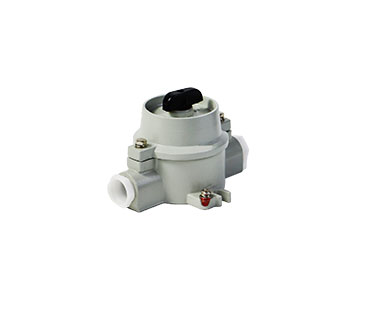
Explosion proof enclosures are engineered with a specific safety philosophy: assume that an internal fault may occur and ensure it does not spread beyond the enclosure.
A certified explosion proof enclosure achieves this through several key design features.
Containment of Internal Explosions
If a spark ignites gas inside the enclosure:
The enclosure contains the explosion
High-pressure gases are cooled before escaping
Flames are prevented from reaching the external atmosphere
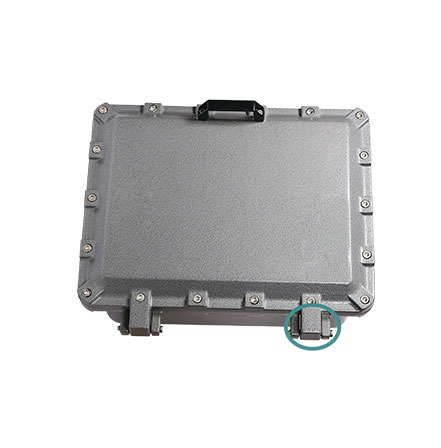
Flame Path Engineering
Explosion proof enclosures use precisely machined joints called flame paths. These:
High-Strength Materials
To withstand internal pressure, enclosures are built using:
Cast aluminum
Stainless steel
Heavy-duty alloys
These materials ensure structural integrity even under extreme conditions.
Secure Sealing and Cable Entry
All entry points are designed to:
Maintain the enclosure’s protective rating
Prevent leakage of flammable gases
Ensure long-term reliability
Applications in Oil and Gas Facilities
Explosion proof enclosures are used throughout oil and gas operations, from upstream extraction to downstream processing.
Upstream (Exploration and Production)
Midstream (Transportation and Storage)
Downstream (Refining and Processing)
In many of these applications, explosion proof enclosures work alongside centralized systems such as an explosion proof panel, which manages control and power distribution across the facility.
The Growing Importance in Hydrogen Facilities
As hydrogen becomes a key component of clean energy strategies, safety requirements are becoming even more critical.
Why Hydrogen Is More Challenging
Compared to other gases, hydrogen:
These characteristics make enclosure integrity even more important.
Typical Hydrogen Applications
In these environments, even minor design flaws can have significant consequences, making certified explosion proof solutions essential.
Integration with Lighting and Other Equipment
In hazardous facilities, safety is not limited to enclosures alone. All electrical components must meet the same standards.
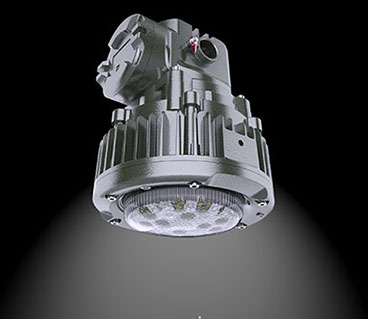
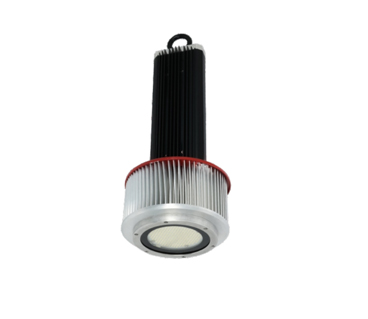
Lighting systems, for example, are often installed in areas where flammable gases may be present. Ensuring compatibility between lighting and enclosures is critical. This is why many operators work closely with a qualified explosion proof led lights supplier to ensure that lighting systems meet hazardous area requirements and integrate seamlessly with enclosure designs.
Key Factors When Selecting Explosion Proof Enclosures
Choosing the right enclosure involves more than just selecting a certified product. Several factors must be considered to ensure optimal performance.
1. Hazard Classification
Understanding the classification of the area is essential:
2. Material Selection
Different environments require different materials:
Stainless steel for corrosive environments
Aluminum for lightweight applications
Specialized coatings for chemical resistance
3. Environmental Conditions
Consider exposure to:
Extreme temperatures
Moisture and humidity
Chemical corrosion
4. Internal Equipment Requirements
The enclosure must accommodate:
Heat generation
Component layout
Maintenance access
5. Future Expansion
Facilities often evolve. Selecting an enclosure with additional capacity can reduce future costs and modifications.
Common Mistakes in Hazardous Area Installations
1. Using Non-Certified Enclosures
This is one of the most dangerous mistakes. Standard enclosures do not provide the necessary protection.
2. Underestimating Hydrogen Risks
Hydrogen requires stricter safety measures than many other gases.
3. Poor Installation Practices
Even the best enclosure can fail if:
Cable entries are improperly sealed
Bolts are not secured correctly
Maintenance procedures are ignored
4. Lack of System Integration
Safety depends on how all components work together—not just individual products.
FAQs
1. What is an explosion proof enclosure used for in oil and gas facilities?
It is used to house electrical equipment safely in hazardous areas, preventing internal sparks from igniting external gases.
2. Are explosion proof enclosures mandatory in hydrogen facilities?
In most hazardous zones, yes. Regulations typically require certified equipment to ensure safety.
3. Can standard enclosures be used in hazardous areas?
No. Only certified explosion proof enclosures are suitable for environments with flammable gases or dust.
4. How do explosion proof enclosures handle internal explosions?
They contain the explosion within the enclosure and prevent flames from escaping to the external environment.
5. What materials are best for explosion proof enclosures?
Common materials include stainless steel and cast aluminum, chosen based on environmental conditions and application needs.
Final Thoughts
Oil, gas, and hydrogen facilities operate in some of the most demanding and high-risk environments in the world. In these settings, safety is not optional—it is built into every component, every system, and every decision.
Explosion proof enclosures play a critical role in this safety framework. By containing potential ignition sources and preventing the spread of explosions, they protect not only equipment but also lives and infrastructure.
As industries continue to evolve—particularly with the rapid growth of hydrogen energy—the importance of properly designed and selected enclosures will only increase. Investing in the right solutions today is essential for ensuring safe, reliable operations in the future.


 English
  Español
  português
  русский
  日本語
日本語  العربية
  français
  Deutsch
  한국어
한국어  italiano
  Malay
Malay 
 ATEX/IECEx Standard
 Each member of the SUREALL team works hard to save energy, reduce budget, maximize durability, bring success to every project for every customer. Here are just a few examples of how we've impacted the markets we're proud to serve.View More +