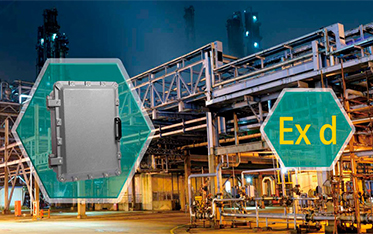
Working in hazardous environments—whether chemical plants, oil & gas facilities, or other sites with flammable gases or dust—requires equipment that can withstand extreme conditions and prevent ignition risks. One of the most critical components in such settings is the explosion proof switch box. This article explains what that is, current trends, what to look for, and how the product from your link can satisfy real industrial needs.
What Is an Explosion Proof Switch Box & Why It’s Essential
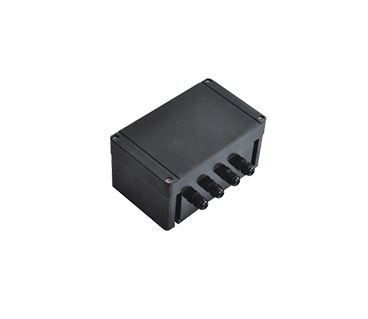
An explosion proof switch box is a containment unit designed to house switches or control devices, protecting them from external combustible atmospheres, and preventing any spark or heat inside the box from causing a wider ignition.
These boxes are typically made from robust materials (metal or high-grade composites), with sealed joints, specially certified controls, and rated for specific hazardous zones (gas, vapor, or dust). They are important because regular switch enclosures are not sufficient where explosive mixtures may appear temporarily or permanently.
Applications range from remote valves, pump controls, process control panels, to lighting or actuator circuits in hazardous areas. When properly selected and installed, these boxes help safeguard both personnel and equipment, minimize downtime, and maintain compliance with safety guidelines and legal requirements for hazardous environments.
Recent Trends & Developments in Switch-Box Technology
To help you understand what customers are increasingly looking for (so you can highlight what your product offers), here are some recent trends:
Demand for explosion proof junction boxes (which include switch boxes) is increasing globally. The junction-box market has been steadily growing, fueled by industrialization, stricter safety regulations, and rising automation in hazardous areas.
Heavy duty metals like cast aluminum or stainless steel remain common, but there is growing interest in lighter, corrosion-resistant materials for auxiliary or less exposed installations. Also, modular designs, ease of assembly, flexible cable entry, and better sealing technologies are more demanded.
Higher IP Ratings & Sealing Techniques
As operations extend outdoors or into harsher climates, protection against water ingress, dust, humidity, and temperature extremes is essential. IP66, IP67 etc., along with flame paths and tight sealing, are being more strictly required.
Expanded Use in New Industries
Industries beyond oil & gas are adopting these safety boxes: mining, food processing (where dust can be explosive), pharmaceuticals, renewable energy, etc.
Accessory Integration & System Compatibility
Switch boxes are no longer isolated; they integrate with other components such as explosion proof cable gland, explosion proof electrical fittings, or switches. Buyers want compatibility so that the full system remains safe. Also in some setups, box with a window (for indicator lights) or mounting on or near a panel board is needed. These add visibility & operational ease.
Key Features to Evaluate When Selecting a Switch Box
Below are critical factors that distinguish a good explosion proof switch box. When describing your product pages with these features, potential buyers get clear evidence it meets their needs.
| Feature | What to Check / Ask | Why It Makes a Difference |
|---|
| Hazardous Zone / Classification | Find out what Class, Division or Zone the area is (gas or dust atmosphere, continuous or occasional exposure). Make sure the switch box is rated accordingly. | Wrong classification means safety risk, non-compliance, possible legal penalties. |
| Material & Corrosion Resistance | Metal vs composite; coatings; resistance to moisture, salt, chemical exposure. | Ensures durability, less maintenance, longer life especially in outdoor or corrosive settings. |
| Ingress Protection (IP) and Sealing | Ratings like IP66/IP67; sealing at joints; whether cable glands are tight; gaskets etc. | Prevents water, dust entry, which can degrade components or cause failures. |
| Certification & Testing | Whether the switch box meets ATEX, IECEx, UL, or other national/industry standards. Evidence of lab tests etc. | Essential for safety, insurance, approval in project bids. |
| Size, Mounting & Accessibility | Enough room for wiring; ease of mounting; whether window might be helpful for visibility without opening; size for replacement or upgrade. | Reduces installation cost and risk, simplifies maintenance. |
| Accessories & System Integration | Whether compatible with explosion proof outlet, switches, or key electrical fittings; good cable glands; internal mounting; maybe features like knockouts or built-in connectors. | A well integrated system ensures safety doesn’t get compromised by weak links. |
| Thermal / Environmental Endurance | How the box handles temperature extremes; internal heat from switch operations; UV, vibration, etc. | Prevents unexpected failures; ensures reliability over time. |
How Your Explosion Proof Switch Box Matches Demands
Now, relating to the product page you provided for explosion proof boxes (switch box variety):
The enclosure is built for hazardous locations, with strong mechanical structure and sealing. This means it is suited for environments where moisture, dust, or corrosive agents may be present.
It offers enough internal space for wiring and installations, which helps with safe routing and reduces risk of damaging wiring or connectors.
If features like cable entry options or built-in glands are provided (or optional), that increases flexibility and helps maintain the whole system safety (switch plus fittings).
From the design, it can work alongside or as part of a larger control setup, especially when working with explosion proof panel board systems, or when installing explosion proof outlet connections nearby.
Also, in some setups, operators need local control switches in hazardous environments; having explosion proof switches inside such boxes ensures that even local human interaction stays safe.
Best Practices & Common Mistakes
To help readers make the best investment, here are some industry best practices and pitfalls:
Plan for future expansion: wiring, additional switches, or future instruments. Extra space and knockouts help.
Use correct and matching accessories: e.g. what is sealed inside the box (cable glands, fittings) must also be explosion rated, not just the box itself.
Maintain seals and check fasteners: vibration or thermal cycling can loosen screws, degrade gaskets, or affect flame path joints.
Proper installation: mounting, grounding, conduit entry, and ensuring no external pressure that could compromise enclosure integrity.
Choosing a switch box rated only for less severe zones when risk is higher.
Ignoring the ingress protection—installing outdoors or in wet locations without sufficient IP rating.
Using non-certified accessories or mixing parts that are not rated for hazardous locations.
Overlooking environmental stress (temperature, chemicals, moisture) that degrade material or cause internal corrosion.
Emerging Topics & What Users Are Asking
Based on recent searches and industrial conversations, here are things many users want to know or are worried about:
How to verify the authenticity of certification, and ensuring marking remains legible after years of exposure.
Impact of new regulations or updates to international hazardous area classification.
Retrofitting older switch boxes or switching to newer, more efficient designs.
Integrating remote monitoring or indicator lights while maintaining safety (sometimes using enclosure with window features).
How switching to lighter or composite materials affects safety under different conditions.
Choosing the right explosion proof switch box isn’t just about putting a certified box in place—it’s about matching the specific hazards, ensuring integration with compatible accessories (switches, outlet, cable glands, fittings), and considering durability under environmental stress.
Your product offering can stand out if you emphasize:
zone ratings & certifications,
material choice & sealing,
thoughtful design for wiring/accessories,
compatibility with other units like panel boards or outlets.
Operators who invest in properly designed switch boxes avoid unexpected failures, meet regulatory requirements, and ensure safer, more reliable operations over the long term.


 English
  Español
  português
  русский
  日本語
日本語  العربية
  français
  Deutsch
  한국어
한국어  italiano
  Malay
Malay 

 ATEX/IECEx Standard
 Each member of the SUREALL team works hard to save energy, reduce budget, maximize durability, bring success to every project for every customer. Here are just a few examples of how we've impacted the markets we're proud to serve.View More +