An explosion proof junction box is a type of explosion proof electrical box specifically designed for wiring connections, while an explosion proof electrical box is a broader category that includes junction boxes, control enclosures, terminal boxes, and other protective housings used in hazardous locations. In practice, people often use these terms interchangeably—but in engineering, procurement, and installation, the distinction matters. Choosing the wrong type can lead to installation inefficiencies, compliance issues, or unnecessary cost. This guide breaks down the real differences, where each is used, and how to select the right option for your project. Understanding Explosion Proof Electrical Boxes
An explosion proof electrical box is a general term used to describe any enclosure that can safely contain electrical components in environments where flammable gases, vapors, or dust may be present.
These enclosures are designed to:
Prevent internal sparks from igniting external gases
Withstand internal pressure caused by a potential explosion
Maintain structural integrity under harsh industrial conditions
You’ll typically find explosion proof electrical boxes used in:
Oil and gas facilities
Chemical processing plants
Grain handling and food processing environments
Marine terminals and offshore platforms
Battery manufacturing and hydrogen production sites
Because this is a broad category, it includes multiple subtypes—each designed for a specific function. For example, a larger explosion proof enclosure may house complex electrical systems, while smaller units are used for more focused tasks like wiring connections.
What Is an Explosion Proof Junction Box?
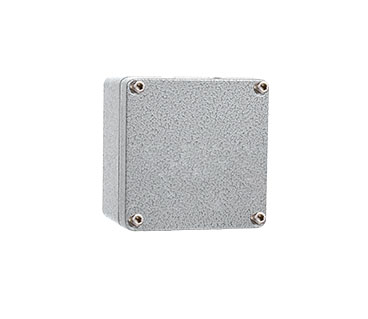
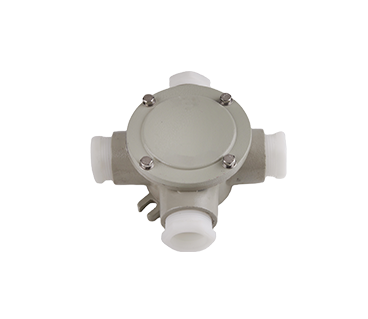
An explosion proof junction box is a more specialized type of electrical box. Its primary function is to house and protect wiring connections in hazardous locations.
Instead of containing complex control systems, a junction box is used to:
In hazardous environments, even a simple wiring connection can become a potential ignition source. That’s why junction boxes used in these settings must meet strict safety standards.
Typical features include:
Heavy-duty metal construction (aluminum or stainless steel)
Sealed cable entry points
Internal terminal blocks
Corrosion-resistant coatings
Compliance with hazardous location standards
You’ll see explosion proof junction boxes installed along pipelines, near pumps, or in areas where field wiring needs to be connected or extended.
Key Differences Between Junction Boxes and Electrical Boxes
Although closely related, these two are not the same thing. The easiest way to understand the difference is to think in terms of scope and function.
1. Scope of Definition
All junction boxes are electrical boxes, but not all electrical boxes are junction boxes. An explosion proof electrical box is the broader category and may house wiring terminals, switches, instruments, breakers or control components, depending on the required function.
2. Primary Function
Junction box → connects and protects wiring
Electrical box (general) → may house wiring, controls, switches, or instrumentation
For example:
A junction box handles cable connections
A control enclosure may include relays, PLCs, or circuit breakers
3. Complexity of Internal Components
Junction boxes are relatively simple:
Electrical boxes, on the other hand, can be much more complex:
This difference directly impacts enclosure size, heat management, and cost.
4. Installation Locations
Junction boxes are often distributed throughout a facility
Electrical enclosures are typically centralized (control areas, panels, equipment stations)
Junction boxes act as connection points, while larger electrical systems—such as an explosion proof panel—serve as control or distribution hubs.
5. Cost and Engineering Requirements
Because of their simplicity:
However, even a simple junction box must meet the same hazardous location certification requirements if installed in a classified area.
When Should You Use an Explosion Proof Junction Box?
A junction box is the right choice when your primary need is safe and compliant wiring connection.
Typical scenarios include:
Extending cable runs in hazardous areas
Connecting field devices such as sensors or lighting
Creating branch circuits in industrial systems
Organizing wiring in distributed installations
In these cases, using a larger enclosure would add unnecessary cost and complexity.
When Is a Full Explosion Proof Electrical Box Needed?
You’ll need a more comprehensive explosion proof electrical box when the application goes beyond simple wiring.
Examples include:
Control systems for pumps or motors
Power distribution panels
Instrumentation enclosures
Remote monitoring systems
These setups require additional considerations:
Choosing a junction box in these cases would not provide enough space or functionality.
Material and Environmental Considerations
Whether you’re selecting a junction box or a larger enclosure, material choice plays a major role in performance.
Common Materials
Aluminum alloy → lightweight and widely used
Stainless steel → excellent corrosion resistance
Cast iron → heavy-duty, high durability
Environmental Factors
In real-world installations, enclosures are exposed to:
For outdoor or corrosive environments, stainless steel enclosures are often preferred due to their long-term durability. In some applications, especially where lighting is integrated into hazardous systems, working with a reliable explosion proof led lights supplier can also help ensure compatibility between lighting and enclosure systems.
Design Considerations for Hazardous Locations
Selecting the right enclosure involves more than choosing between a junction box and a general electrical box.
Key factors include:
Hazard Classification
You must understand whether the area is classified based on:
Gas or vapor presence
Frequency of exposure
Operational conditions
Temperature Management
Even small enclosures can build up heat. Proper spacing and component selection are critical to maintaining safe surface temperatures.
Cable Entry and Sealing
Improper cable gland selection can compromise safety. All entry points must maintain the enclosure’s protective integrity.
Future Expansion
Many installations evolve over time. Choosing a slightly larger enclosure can save significant effort later.
Common Misconceptions
“A junction box is just a smaller enclosure”
Not always. It’s not just about size—it’s about purpose. A junction box is designed specifically for wiring connections, not system control.
“All electrical boxes are suitable for hazardous areas”
Only if they are properly certified. Standard industrial enclosures are not safe for use in hazardous environments.
“You can upgrade a standard box to explosion proof”
In most cases, no. Explosion proof certification depends on design, materials, and testing—not field modification.
Practical Selection Tips
If you’re deciding between a junction box and a broader electrical enclosure, ask:
Is this only for wiring connections?
Will there be active electrical components inside?
Does the system require monitoring or control?
How much space is needed for future expansion?
What environmental conditions will the enclosure face?
Answering these questions will usually point you in the right direction.
FAQs
1. What is the difference between a junction box and an electrical box?
A junction box is specifically used for connecting and protecting wiring, while an electrical box is a broader term that includes enclosures for controls, distribution, and instrumentation.
2. Are all junction boxes explosion proof?
No. Only junction boxes that are specifically designed and certified for hazardous locations can be considered explosion proof.
3. Can an explosion proof junction box be used outdoors?
Yes, as long as it has the appropriate environmental protection rating and material suitable for outdoor conditions.
4. Do junction boxes require the same certifications as larger enclosures?
Yes. If they are installed in a hazardous area, they must meet the same certification requirements regardless of size.
5. When should I choose a larger explosion proof enclosure instead of a junction box?
When your application involves control systems, power distribution, or instrumentation rather than simple wiring connections.
Final Thoughts
While the terms “explosion proof junction box” and “explosion proof electrical box” are often used interchangeably, understanding the difference can significantly improve both safety and efficiency in hazardous area installations.
A junction box is ideal for straightforward wiring tasks, while a full electrical enclosure is necessary for more complex systems involving control or power distribution. Making the right choice ensures compliance, reduces long-term costs, and helps maintain reliable operation in demanding industrial environments.
As hazardous industries continue to evolve—especially with the growth of energy and chemical sectors—the demand for properly selected and engineered enclosures will only increase. Taking the time to understand these distinctions is a small step that can prevent much larger problems down the line.


 English
  Español
  português
  русский
  日本語
日本語  العربية
  français
  Deutsch
  한국어
한국어  italiano
  Malay
Malay 

 ATEX/IECEx Standard
 Each member of the SUREALL team works hard to save energy, reduce budget, maximize durability, bring success to every project for every customer. Here are just a few examples of how we've impacted the markets we're proud to serve.View More +