An explosion proof panel is designed for hazardous environments where flammable gases or dust are present, while a standard control panel is intended for safe, non-hazardous areas. Choosing between the two depends entirely on the operating environment—not just the equipment inside.
Many engineers and procurement teams make the mistake of focusing only on functionality, overlooking environmental risk. However, in industrial settings such as oil refineries, chemical plants, or battery production facilities, the wrong panel choice can lead to serious safety hazards, compliance violations, and costly downtime.
This guide explains the real differences between explosion proof panels and standard control panels, when each should be used, and how to make the right decision for your application.
What Is an Explosion Proof Panel?
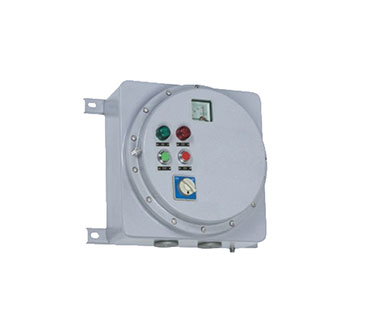
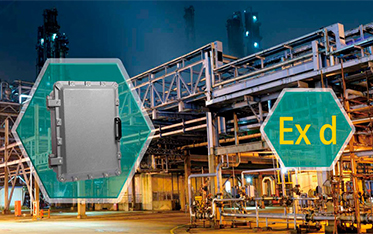
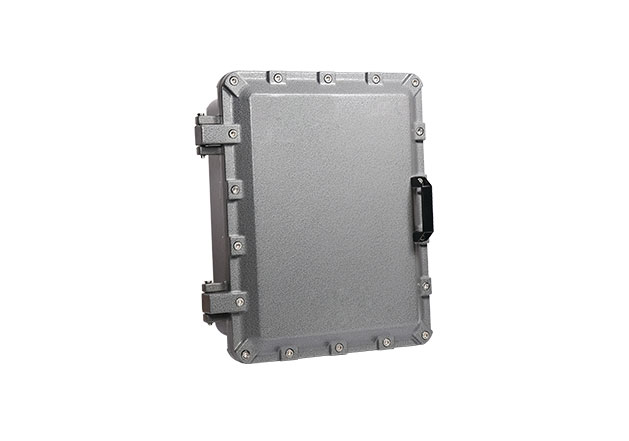
An explosion proof panel is a specialized control panel built to contain internal explosions and prevent ignition of the surrounding atmosphere. It is specifically engineered for hazardous locations where flammable gases, vapors, or combustible dust may exist.
Instead of preventing explosions entirely, the design assumes that an internal spark or fault could occur—and ensures that:
Any internal explosion is contained within the enclosure
External flammable substances are not ignited
The enclosure maintains structural integrity under pressure
These panels are typically constructed using:
Thick cast aluminum or stainless steel housings
Flameproof joints and sealing surfaces
Reinforced doors with secure locking mechanisms
Certified cable entry systems
A properly designed explosion proof panel is tested and certified to meet strict hazardous location standards, ensuring it can safely operate in high-risk environments.
What Is a Standard Control Panel?
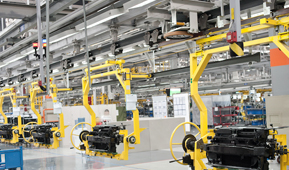
A standard control panel is used to manage electrical systems in non-hazardous environments. These panels are commonly found in:
Manufacturing facilities
HVAC systems
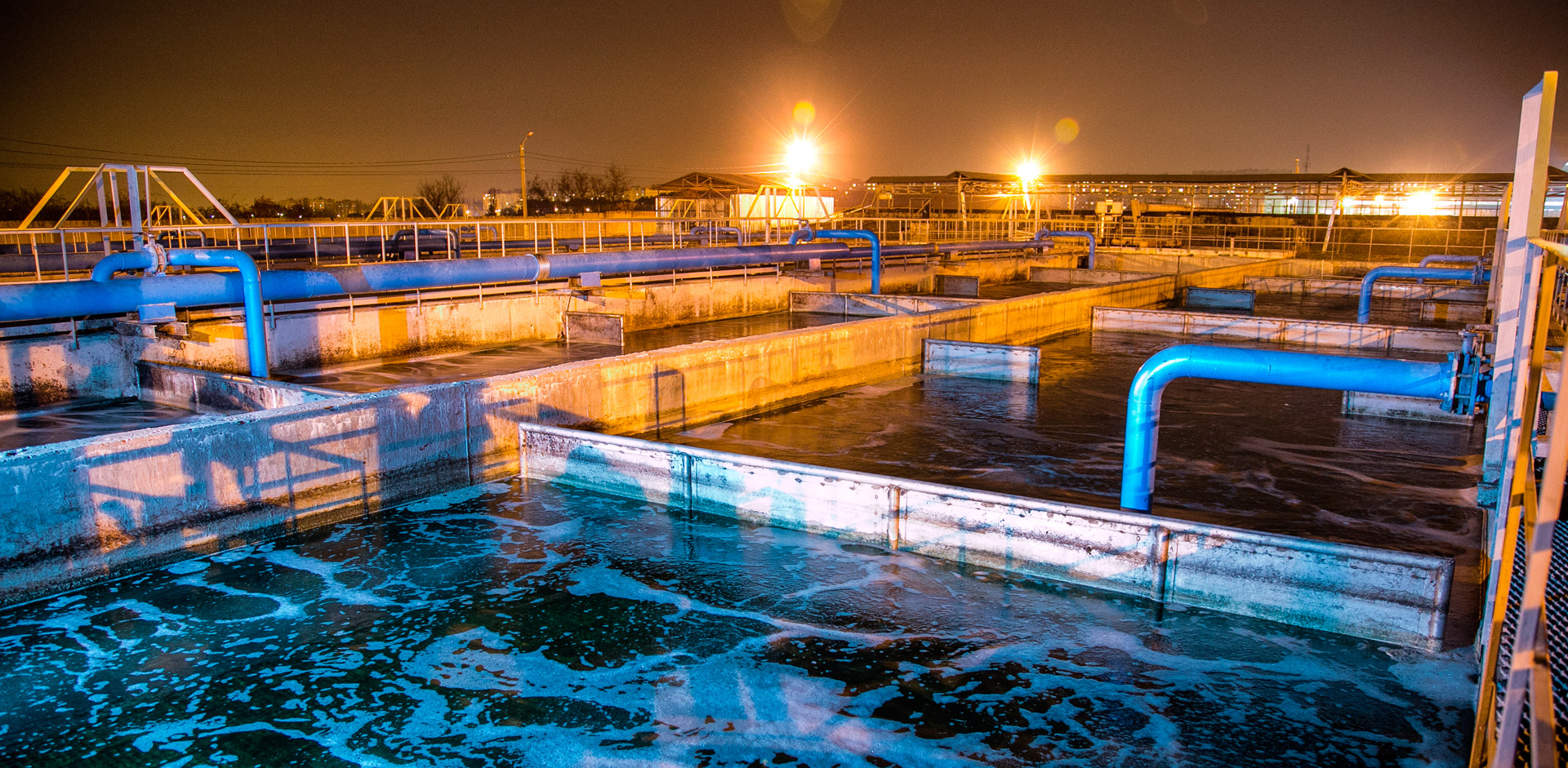
Water treatment plants
Commercial buildings
Their primary purpose is to:
Unlike explosion proof panels, standard control panels are not designed to contain explosions or prevent ignition. Instead, they focus on accessibility, efficiency, and ease of maintenance.
Typical features include:
While they may offer protection against dust and moisture, they are not suitable for hazardous environments.
Key Differences Between Explosion Proof Panels and Standard Control Panels
Understanding the differences goes beyond just construction—it involves safety philosophy, compliance, and application context.
1. Intended Environment
Explosion proof panel → hazardous areas (flammable gases, vapors, dust)
Standard control panel → safe, non-hazardous environments
This is the most critical distinction. If your facility is classified as hazardous, a standard panel is not an option.
2. Safety Design Approach
Explosion proof panels are built with a containment strategy:
Standard panels follow a prevention strategy:
3. Construction and Materials
Explosion proof panels use:
Thick, high-strength materials
Precision-machined joints
Corrosion-resistant finishes
Standard panels use:
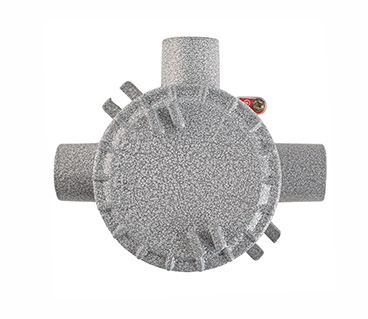
In many installations, an explosion proof panel is part of a broader system that may also include an explosion proof enclosure for auxiliary components or field connections.
4. Certification and Compliance
Explosion proof panels must meet strict standards related to hazardous locations. These certifications verify that the enclosure can safely contain an internal explosion.
Standard control panels do not require this level of certification and are typically evaluated based on general electrical safety standards.
5. Maintenance and Accessibility
Standard control panels are designed for easy access:
Explosion proof panels require more careful handling:
6. Cost Considerations
Explosion proof panels are significantly more expensive due to:
However, in hazardous environments, this cost is justified by the level of safety and compliance they provide.
When Should You Use an Explosion Proof Panel?
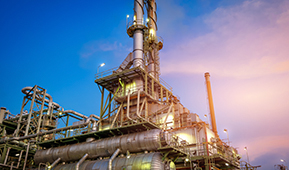
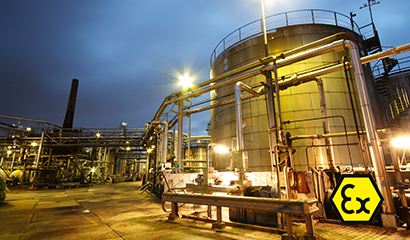
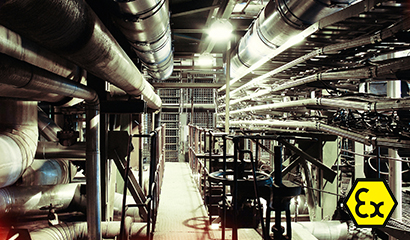
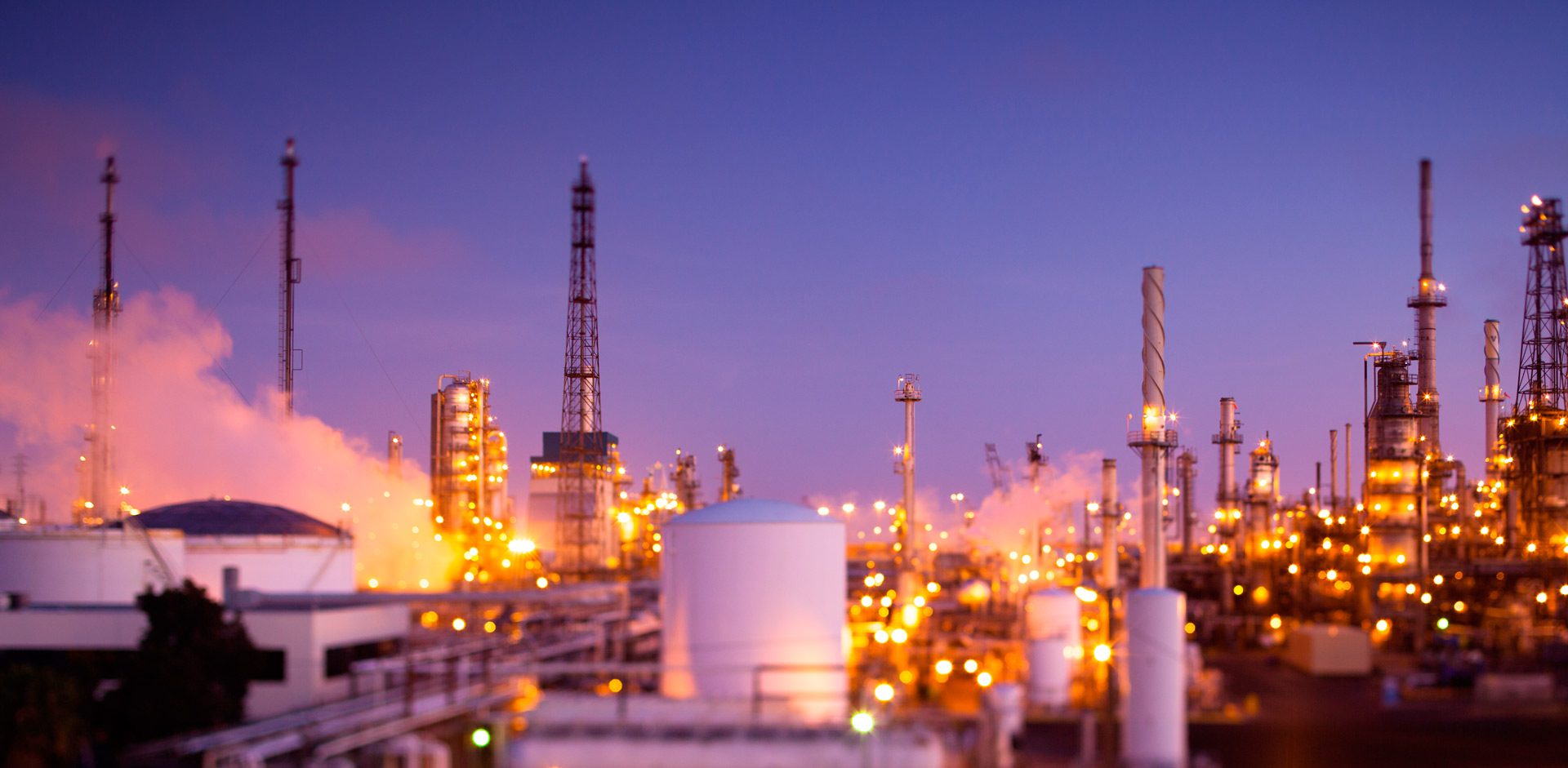
You should choose an explosion proof panel when your installation is located in a hazardous area, such as:
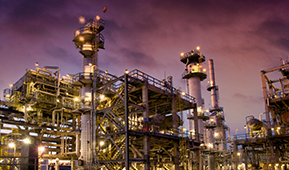
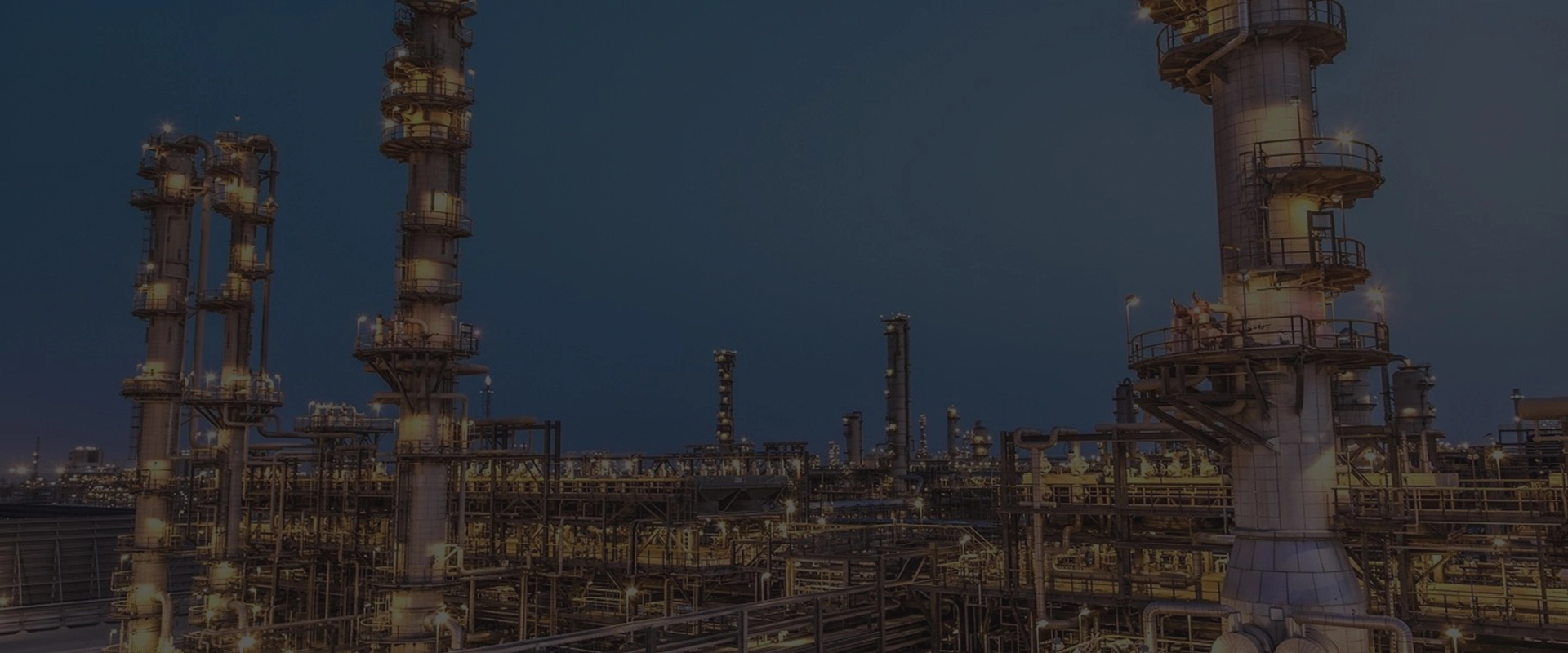
Oil and gas facilities
Chemical processing plants
Paint or coating operations
Hydrogen energy systems
Grain or dust-heavy environments
In these settings, even a small spark from a relay or switch could trigger an explosion. An explosion proof panel ensures that such risks are effectively managed.
When Is a Standard Control Panel Sufficient?
A standard control panel is appropriate when:
The environment is classified as non-hazardous
No flammable gases or dust are present
The focus is on operational efficiency and accessibility
Examples include:
Factory automation systems
Building management systems
Pump control in water treatment plants
Using an explosion proof panel in these environments would add unnecessary cost without providing additional value.
Integration with Lighting and Other Systems
Modern industrial environments often require integration between control panels and lighting systems.
In hazardous areas, lighting must meet the same safety standards as control equipment. This is why many facilities coordinate panel selection with certified lighting providers. Working with a qualified explosion proof led lights supplier can help ensure compatibility across the entire system, reducing installation risks and simplifying compliance.
Common Mistakes to Avoid
1. Using Standard Panels in Hazardous Areas
This is one of the most serious mistakes. Even if the panel functions correctly, it poses a significant safety risk.
2. Over-Specifying Explosion Proof Panels
Not every environment requires explosion proof equipment. Over-specifying can lead to unnecessary costs and complexity.
3. Ignoring Environmental Conditions
Factors such as humidity, corrosion, and temperature can affect both types of panels. Proper material selection is essential.
4. Poor System Planning
Panels rarely operate in isolation. Failing to consider how they integrate with other components—such as junction boxes, lighting, and monitoring systems—can create long-term issues.
How to Choose the Right Panel
To make the right decision, consider the following:
1. Hazard Classification
Determine whether your environment is classified as hazardous. This will immediately narrow down your options.
2. Application Requirements
Identify what the panel needs to do:
3. Environmental Conditions
Evaluate exposure to:
Chemicals
Moisture
Temperature extremes
4. Compliance Requirements
Ensure the panel meets all relevant standards for your region and industry.
5. Long-Term Maintenance
Consider how often the panel will need to be accessed and maintained.
FAQs
1. What is the main difference between an explosion proof panel and a standard control panel?
An explosion proof panel is designed for hazardous environments and can contain internal explosions, while a standard control panel is used in safe environments and does not provide explosion protection.
2. Can a standard control panel be used in a hazardous area?
No. Standard control panels are not designed or certified for hazardous locations and should not be used in such environments.
3. Are explosion proof panels always required in industrial facilities?
Only if the area is classified as hazardous. In non-hazardous environments, standard panels are sufficient.
4. Why are explosion proof panels more expensive?
They require specialized materials, precise manufacturing, and certification to ensure they can safely contain internal explosions.
5. Do explosion proof panels require special maintenance?
Yes. Maintenance must follow strict safety procedures, especially when opening the enclosure in hazardous environments.
Final Thoughts
Choosing between an explosion proof panel and a standard control panel is not just a technical decision—it’s a safety-critical one. The environment in which the panel operates should always be the primary factor guiding your choice.
Explosion proof panels provide essential protection in hazardous areas, ensuring that internal faults do not lead to catastrophic events. Standard control panels, on the other hand, offer flexibility and efficiency for everyday industrial applications.
By understanding the differences and evaluating your specific requirements, you can select the right solution that balances safety, performance, and cost—while ensuring long-term reliability in your operations.


 English
  Español
  português
  русский
  日本語
日本語  العربية
  français
  Deutsch
  한국어
한국어  italiano
  Malay
Malay 
 ATEX/IECEx Standard
 Each member of the SUREALL team works hard to save energy, reduce budget, maximize durability, bring success to every project for every customer. Here are just a few examples of how we've impacted the markets we're proud to serve.View More +