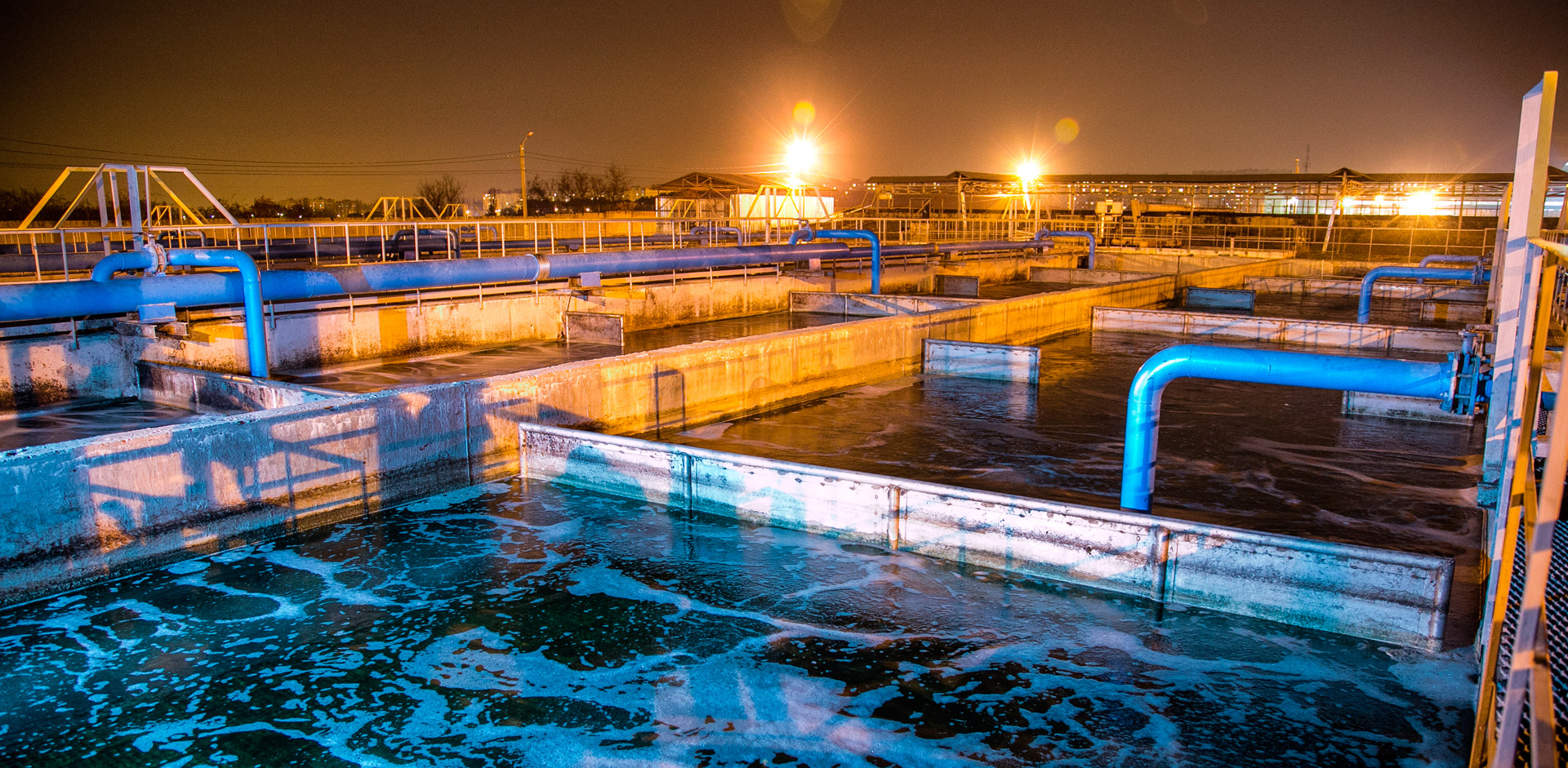
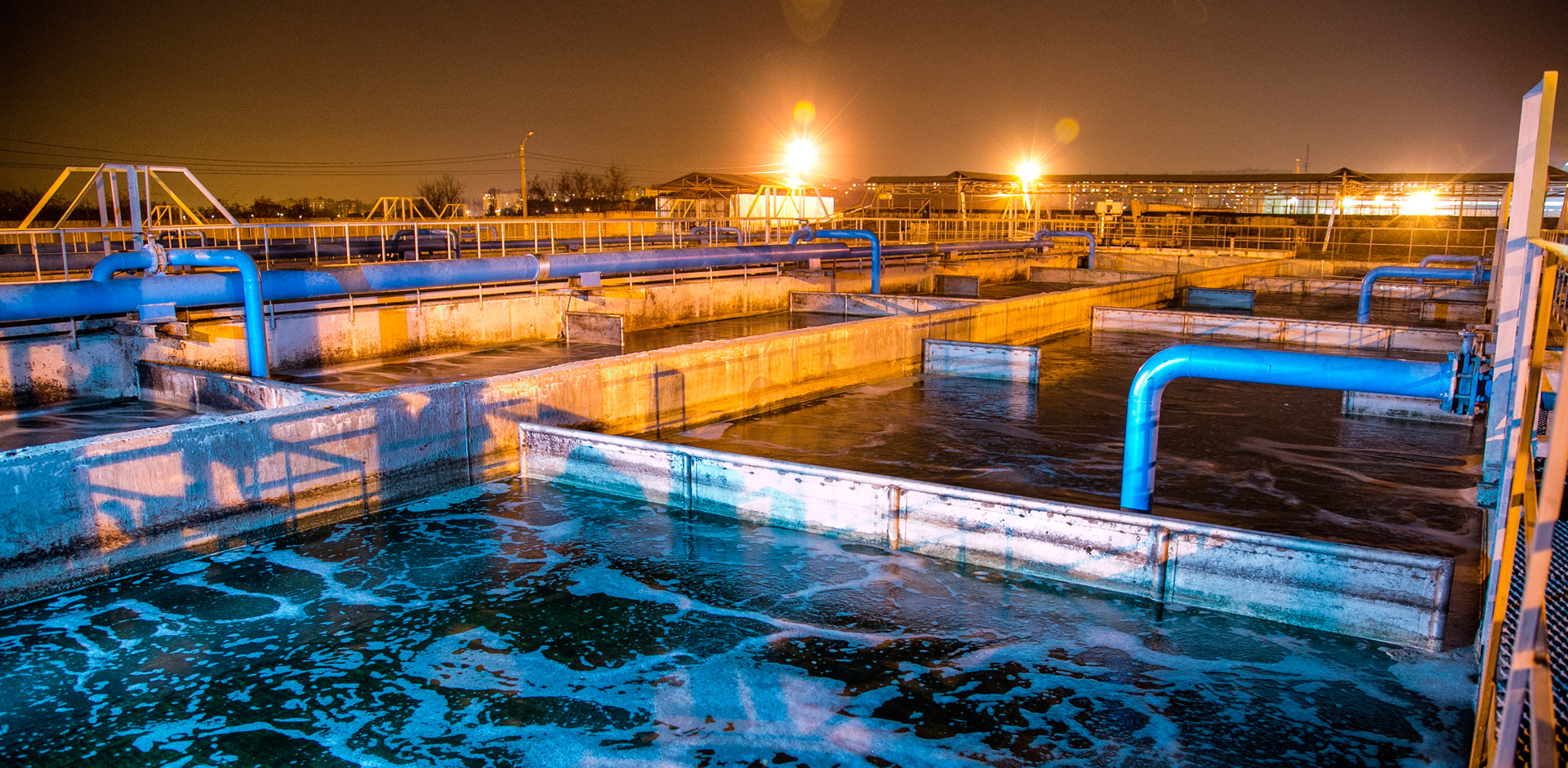
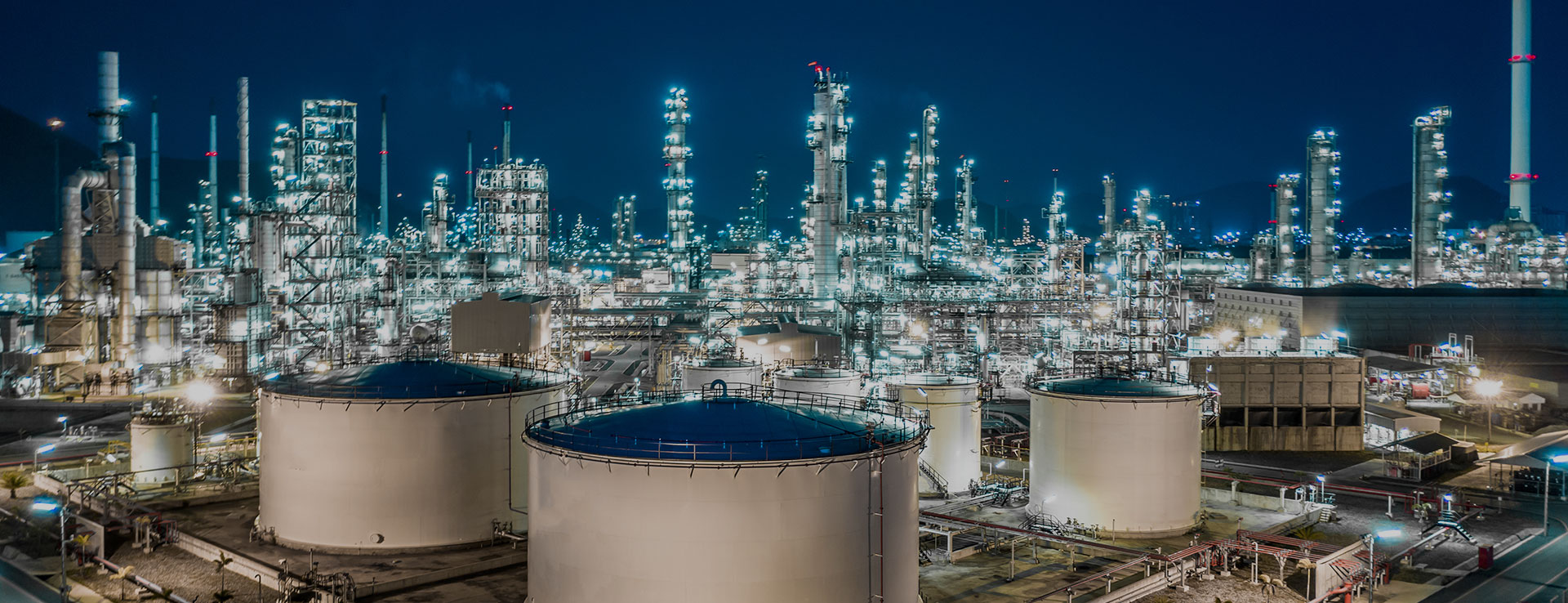
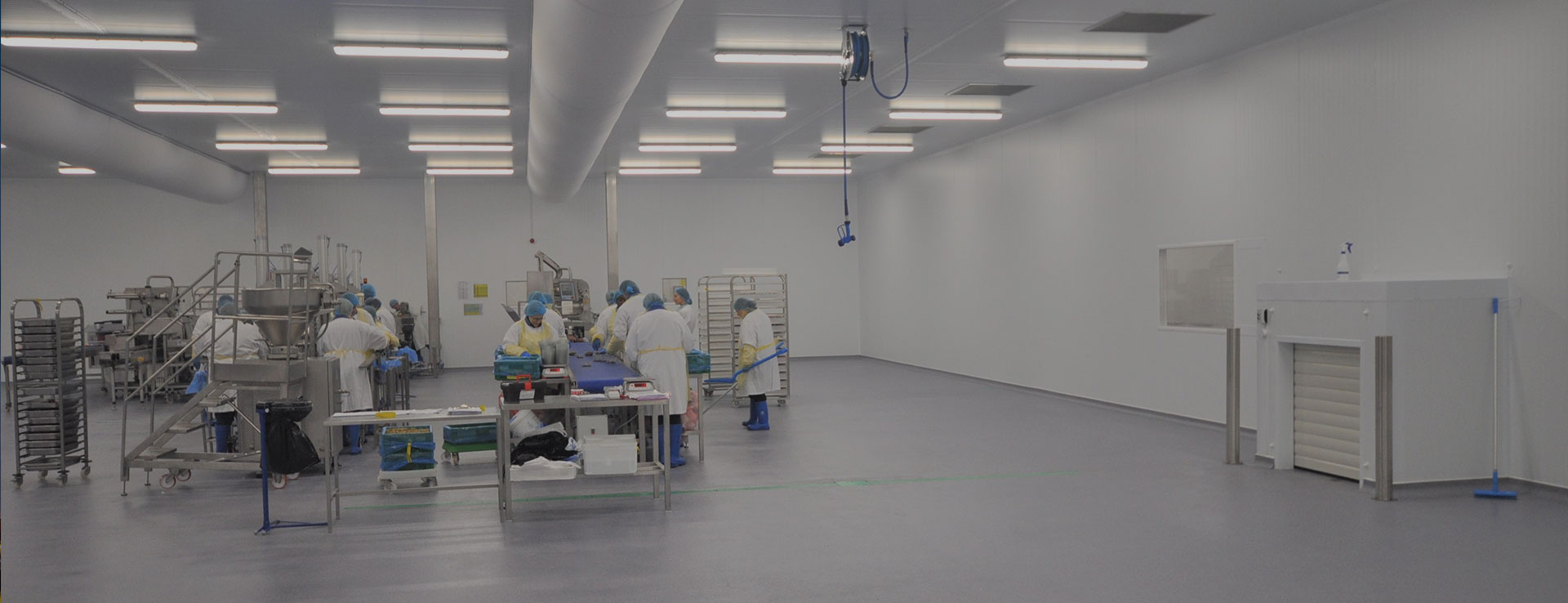
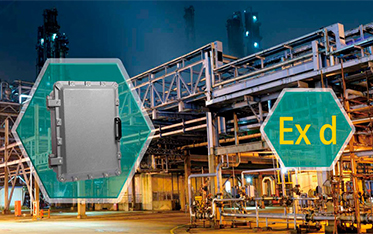
NEMA 4X and IP66 enclosures are designed to protect against water, dust, and corrosion, while explosion proof enclosures are specifically built to contain internal explosions and prevent ignition in hazardous environments.
Although these terms are often mentioned together, they serve fundamentally different purposes. Confusing them can lead to serious safety risks—especially in industries where flammable gases, vapors, or dust are present. In this guide, we’ll break down how NEMA 4X, IP66, and explosion proof enclosures differ, where each should be used, and how to choose the right protection level for your application.
What Does NEMA 4X Mean?
NEMA 4X is a rating defined by the National Electrical Manufacturers Association (NEMA). It indicates that an enclosure is designed to provide protection against:
A NEMA 4X enclosure is commonly used in:
Food processing facilities
Pharmaceutical production
Outdoor industrial installations
Coastal or high-humidity environments
The “X” in NEMA 4X specifically refers to enhanced corrosion resistance, which is often achieved using stainless steel or non-metallic materials.
However, it’s important to understand that NEMA 4X does not imply explosion protection.
What Does IP66 Mean?
IP66 is part of the Ingress Protection (IP) rating system defined by international standards.
The rating is broken down as follows:
IP66 enclosures are widely used in:
Outdoor electrical systems
Industrial automation
Telecommunications equipment
Renewable energy installations
Compared to NEMA ratings, IP ratings focus specifically on ingress protection—that is, how well the enclosure prevents solids and liquids from entering.
Like NEMA 4X, IP66 does not address explosion risks.
What Is an Explosion Proof Enclosure?
An explosion proof enclosure is designed for a completely different purpose. Instead of just keeping water or dust out, it is built to:
Contain internal explosions
Prevent flames or sparks from escaping
Withstand high internal pressure
These enclosures are used in hazardous locations where explosive atmospheres may exist, such as:
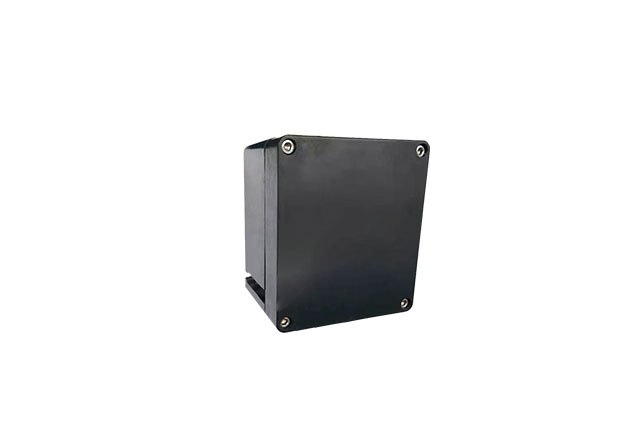
A certified explosion proof enclosure ensures that even if an internal electrical fault occurs, it will not ignite the surrounding environment.
Key Differences: NEMA 4X vs IP66 vs Explosion Proof
While these three terms are often compared, they are not interchangeable. Each addresses a different type of risk.
1. Type of Protection
NEMA 4X → water, dust, corrosion
IP66 → dust and strong water jets
Explosion proof → ignition and explosion containment
This is the most important distinction. NEMA and IP ratings deal with environmental protection, while explosion proof designs address safety in hazardous atmospheres.
2. Application Environments
Using a NEMA 4X or IP66 enclosure in a hazardous area is not sufficient, even if it offers excellent sealing.
3. Certification Standards
NEMA and IP ratings are based on:
Explosion proof enclosures must meet much stricter requirements, including:
4. Construction and Design
NEMA 4X and IP66 enclosures typically feature:
Explosion proof enclosures require:
Thick walls (cast aluminum or stainless steel)
Precision-machined joints
Heavy-duty fastening systems
These differences significantly impact weight, cost, and installation complexity.
5. Cost and Complexity
IP66 → generally the most cost-effective
NEMA 4X → slightly higher due to corrosion resistance
Explosion proof → highest cost due to safety requirements
However, cost should never be the deciding factor in hazardous environments—safety and compliance must come first.
Can NEMA 4X or IP66 Replace Explosion Proof Enclosures?
This is a common misconception.
No—neither NEMA 4X nor IP66 can replace an explosion proof enclosure in hazardous areas.
Even though these enclosures provide excellent environmental protection, they do not:
Contain internal explosions
Prevent ignition of external gases
Meet hazardous location certification requirements
In fact, using a non-certified enclosure in a hazardous area can lead to:
Safety violations
Equipment failure
When Should You Use Each Type?
Use NEMA 4X When:
The environment is corrosive (e.g., saltwater, chemicals)
Equipment is exposed to washdowns or outdoor weather
No flammable gases or dust are present
Use IP66 When:
Dust and water ingress are the primary concerns
The installation is outdoors or in harsh environments
Corrosion resistance is not the main issue
Use Explosion Proof Enclosures When:
The area is classified as hazardous
Flammable gases, vapors, or dust are present
Safety regulations require certified equipment
In many industrial setups, explosion proof systems are part of a larger infrastructure that may also include control systems like an explosion proof panel, ensuring safe operation across the entire electrical network.
Real-World Application Scenarios
Scenario 1: Food Processing Plant
Frequent washdowns
High humidity
No explosive gases
Best choice: NEMA 4X
Scenario 2: Outdoor Telecom Installation
Best choice: IP66
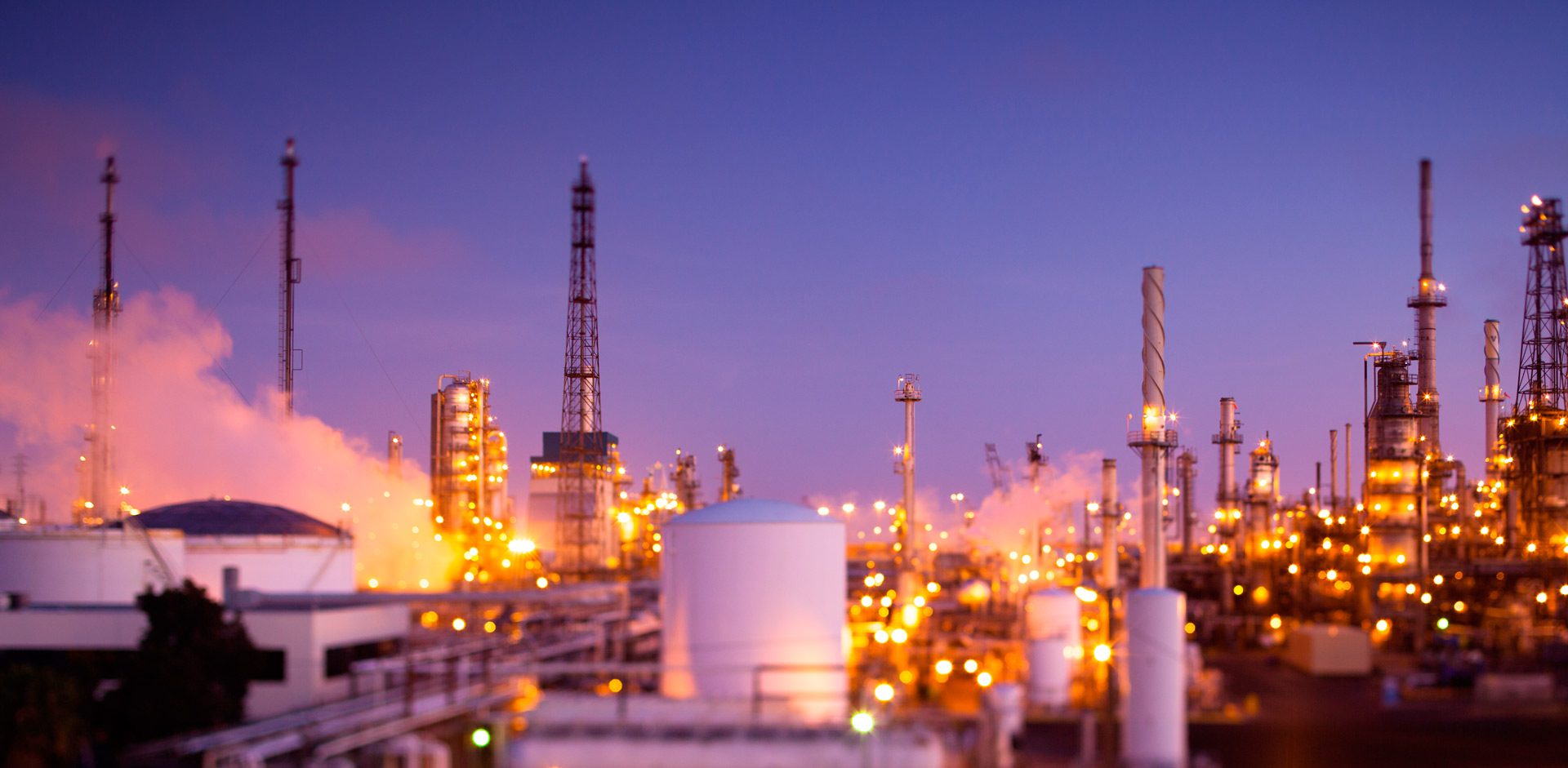
Scenario 3: Oil Refinery
Best choice: Explosion proof enclosure
Integration with Lighting and Equipment
Enclosures are rarely used alone. They are often part of a larger system that includes lighting, control panels, and monitoring devices.
In hazardous environments, all components must meet the same safety standards. For example, lighting systems must be compatible with enclosure requirements. Working with a reliable explosion proof led lights supplier can help ensure that lighting equipment integrates safely with your enclosure and control systems.
Common Mistakes to Avoid
1. Assuming Higher IP Rating Means Safer
A higher IP rating does not mean explosion protection. It only indicates better sealing against dust and water.
2. Overlooking Corrosion Resistance
In coastal or chemical environments, choosing IP66 over NEMA 4X may lead to premature equipment failure.
3. Misapplying Enclosure Types
Using the wrong enclosure type for the environment can compromise both safety and performance.
4. Ignoring System Compatibility
Enclosures must work together with other equipment, including wiring systems, lighting, and control panels.
How to Choose the Right Enclosure
To make the right decision, consider:
1. Environmental Conditions
Is there water, dust, or corrosion?
Are there flammable substances present?
2. Regulatory Requirements
3. Equipment Function
4. Long-Term Durability
FAQs
1. Is NEMA 4X better than IP66?
Not necessarily. NEMA 4X offers corrosion resistance, while IP66 focuses on dust and water protection. The better choice depends on the environment.
2. Can IP66 enclosures be used outdoors?
Yes, IP66 enclosures are designed for outdoor use and can withstand dust and strong water jets.
3. What makes an enclosure explosion proof?
It must be designed to contain internal explosions and prevent ignition of the surrounding atmosphere, meeting strict hazardous location standards.
4. Do explosion proof enclosures also have IP or NEMA ratings?
Some do, but their primary function is explosion protection. Environmental ratings may be secondary.
5. Can I use a NEMA 4X enclosure in a hazardous area?
No, unless it is also certified as explosion proof. NEMA 4X alone is not sufficient for hazardous locations.
Final Thoughts
NEMA 4X, IP66, and explosion proof enclosures each serve a distinct purpose, and understanding their differences is essential for safe and effective system design.
While NEMA 4X and IP66 focus on protecting equipment from environmental conditions, explosion proof enclosures are critical for preventing catastrophic events in hazardous areas. Choosing the right type is not just about performance—it’s about ensuring safety, compliance, and long-term reliability.
By carefully evaluating your environment and application needs, you can select the enclosure that provides the right level of protection without unnecessary cost or risk.


 English
  Español
  português
  русский
  日本語
日本語  العربية
  français
  Deutsch
  한국어
한국어  italiano
  Malay
Malay 
 ATEX/IECEx Standard
 Each member of the SUREALL team works hard to save energy, reduce budget, maximize durability, bring success to every project for every customer. Here are just a few examples of how we've impacted the markets we're proud to serve.View More +