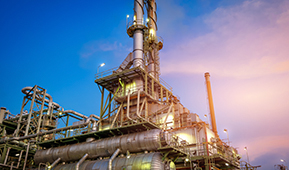
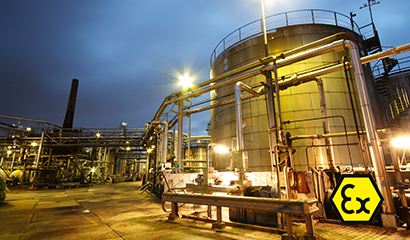
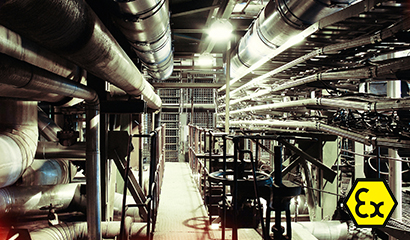
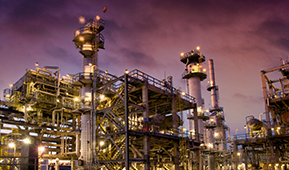
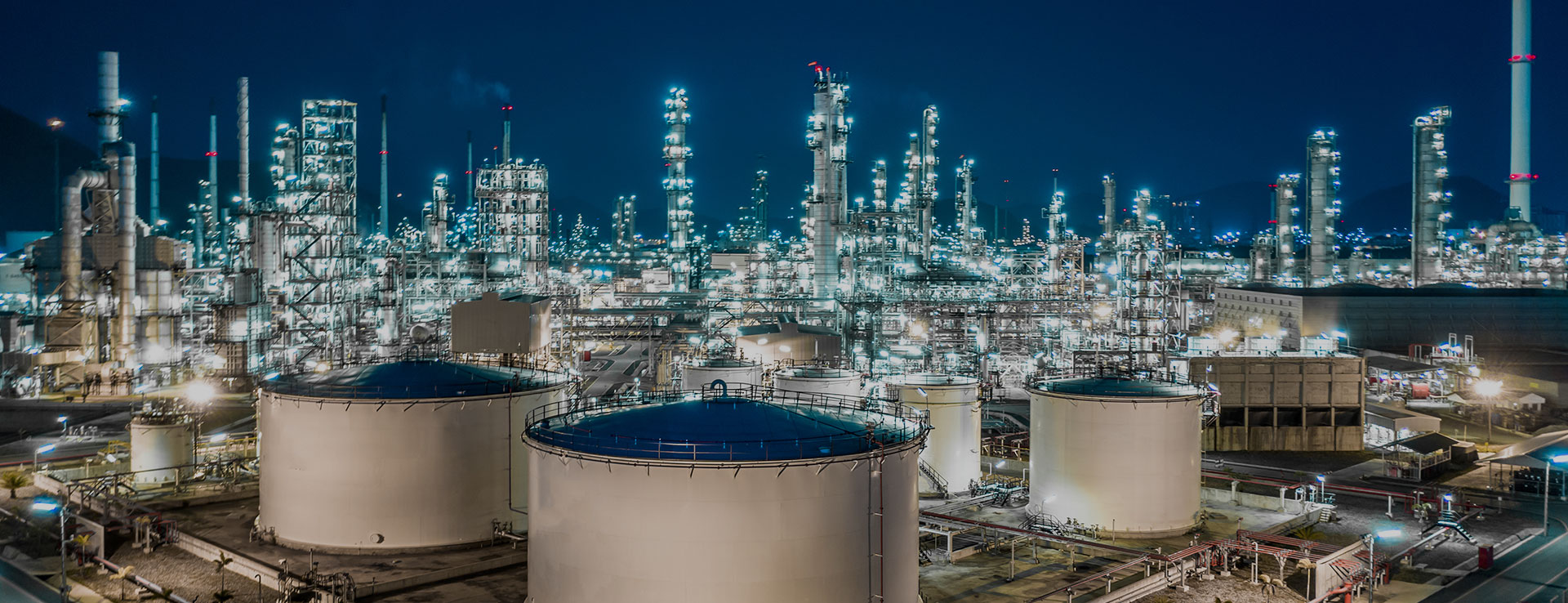
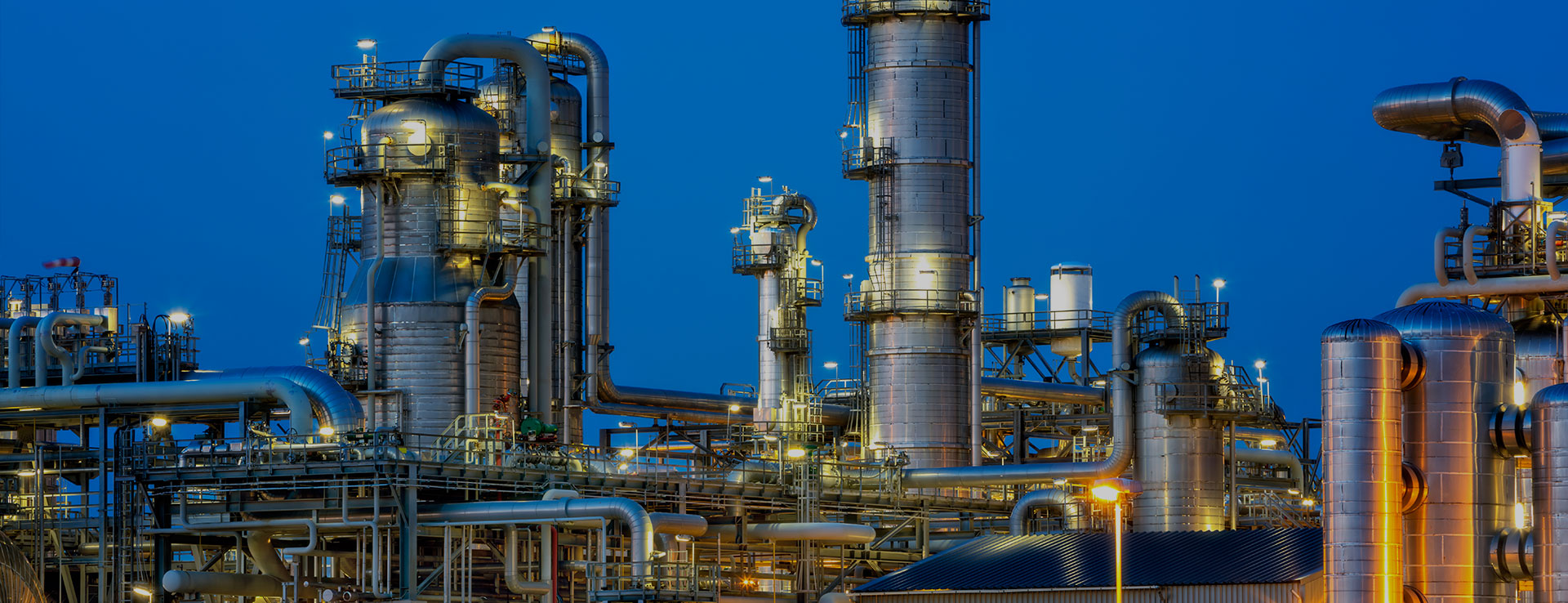
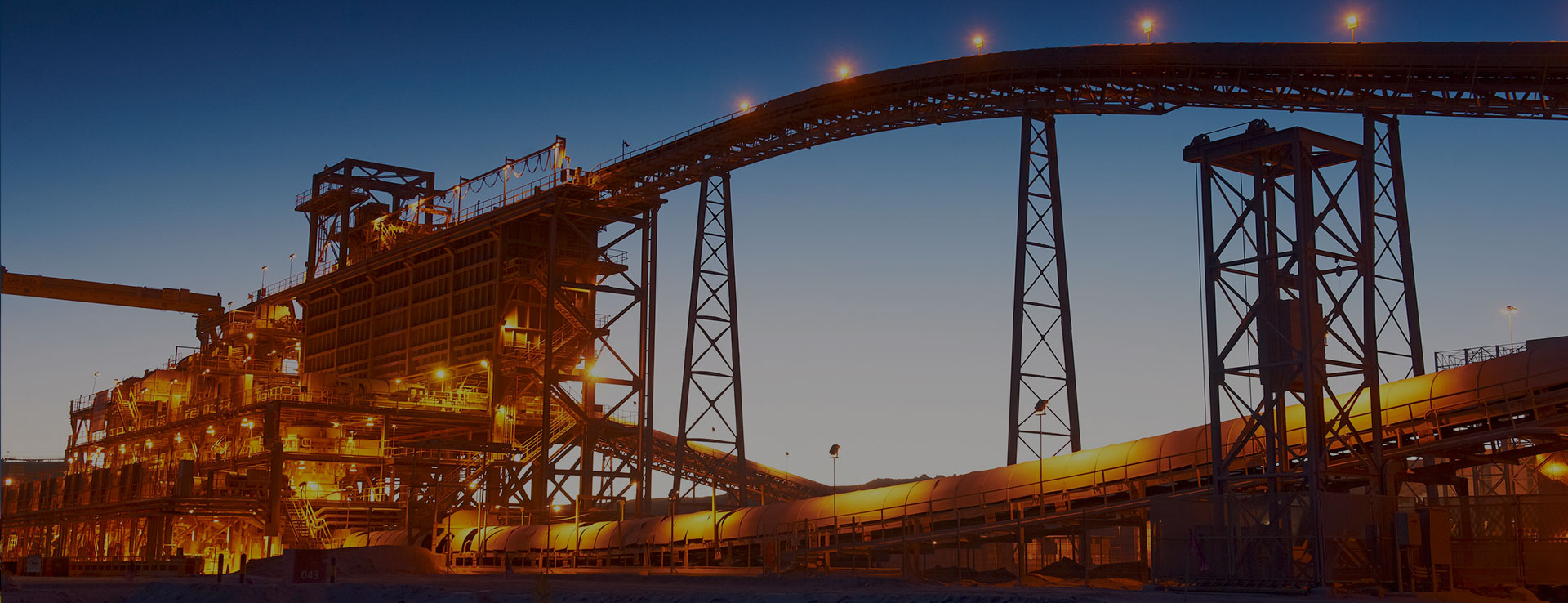
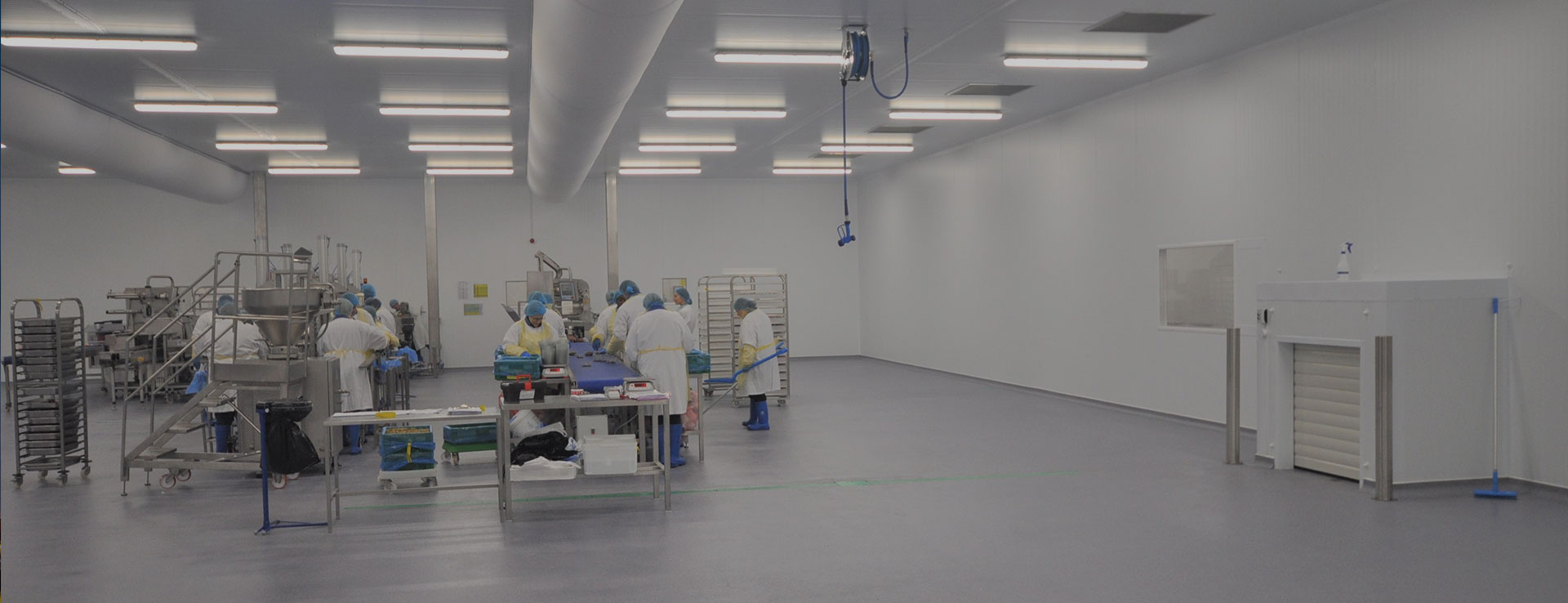
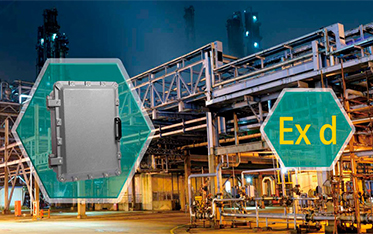
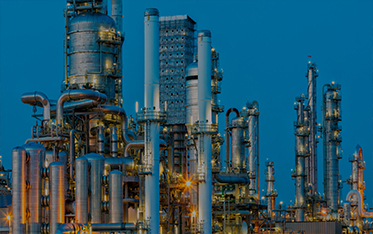
Industries that work with flammable gases, dust, or liquids need more than just standard housings for their electrical or instrumentation equipment. An explosion proof enclosure is designed to contain any internal ignition and prevent sparks, arcs, or hot gases from igniting the surrounding explosive atmosphere.
By using certified materials, secure sealing, and precise construction, these enclosures ensure that even if a fault occurs inside, the ignition cannot propagate outside. From oil & gas refineries, chemical plants, mining, to grain processing and food manufacturing, these environments require enclosures that combine safety, reliability, and durability.
Recent Trends & Key Drivers in Explosion Proof Enclosures
Growing Demand and Stricter Standards
Governments and industrial bodies are enforcing stricter safety standards, pushing for reliable housings in both gas/vapor zones and dust zones. Explosion proof enclosures are increasingly required across a wider range of facilities, not just oil and gas.
Material Innovation and Lightweight Options
Modern solutions now use a variety of materials including stainless steel, aluminium alloys, and GRP (Glass Reinforced Plastic). GRP, for example, offers excellent corrosion resistance and lighter weight, which makes installation easier while reducing maintenance requirements.
Expanding Use Across Industries
Explosion proof housings are no longer limited to petrochemicals. They are widely applied in pharmaceuticals, food processing, renewable energy, and mining. These industries value equipment that can withstand moisture, chemical exposure, and high vibration while maintaining full compliance.
Product Options: Explosion Proof Metal and GRP Enclosures
Your product range includes both metal explosion proof enclosures and GRP hazardous location enclosures (such as the P Series). Each material has unique advantages:
GRP enclosures offer excellent resistance to chemical corrosion, lighter weight, and electrical insulation properties. They are highly suitable for marine, chemical, and outdoor installations.
Metal enclosures provide strong mechanical strength, resistance to impact, and are ideal for environments with high vibration or heat exposure.
You also offer options such as an explosion proof enclosure with window, allowing operators to monitor equipment or read instruments without opening the housing. This is especially useful in control systems where visibility matters but safety cannot be compromised.
How to Choose the Right Explosion Proof Enclosure
When selecting the right housing for hazardous locations, consider the following factors:
| Factor | Why It Matters |
|---|
| Hazardous Location Classification | Match the zone rating of the enclosure (Gas vs Dust, continuous vs occasional exposure) to the installation environment. |
| Material & Corrosion Resistance | GRP is ideal for corrosive or marine areas; stainless steel or aluminium enclosures handle higher mechanical stress. |
| Ingress Protection (IP) Rating | Ensures the unit resists dust and water intrusion. High IP ratings (IP66/67) are standard for reliable performance. |
| Certification & Compliance | Ensure the product meets ATEX, IECEx, or NEC requirements depending on location. |
| Ease of Installation | Lightweight GRP helps reduce installation costs, while metal is best for heavy-duty applications. |
| Thermal Considerations | If internal equipment generates heat, consider materials with better heat dissipation. |
In addition to housings, related protective equipment such as explosion proof cable glands, explosion proof electrical fittings, and explosion proof switches should be selected carefully to maintain system integrity. Using mismatched or uncertified accessories can compromise safety.
Real-World Use Cases
Marine and Offshore Facilities: High humidity, salt exposure, and strong winds demand corrosion-resistant GRP housings.
Chemical Plants: Aggressive vapors and acidic environments require GRP or stainless steel with robust seals.
Oil and Gas Refineries: Often require heavy-duty metal enclosures with high certification ratings.
Dust-Prone Industries: Food processing and grain milling benefit from tightly sealed enclosures and accessories such as an explosion proof switch box or explosion proof outlet for local equipment.
Electrical Control Systems: Facilities needing centralized power control often integrate an explosion proof panel board for safe distribution.
Why the Right Choice Matters
Selecting the right explosion proof enclosure pays off in several ways:
Safety – Protects workers and equipment from catastrophic ignition events.
Compliance – Meets local and international certification standards.
Durability – Resistant to corrosion, impact, and environmental exposure.
Cost Efficiency – Reduces downtime, maintenance, and long-term replacement costs.
Explosion proof enclosures are no longer optional — they are essential safety equipment in hazardous locations across industries. With options in both metal and GRP, as well as models that feature windows for monitoring or compatibility with specialized fittings, your product range provides solutions for diverse environments.
When paired with the right accessories, including cable glands, outlets, panel boards, and switches designed for hazardous areas, these enclosures form a complete protection system. By understanding material choices, certification needs, and industry requirements, companies can ensure both safety and efficiency in their operations.


 English
  Español
  português
  русский
  日本語
日本語  العربية
  français
  Deutsch
  한국어
한국어  italiano
  Malay
Malay 
 ATEX/IECEx Standard
 Each member of the SUREALL team works hard to save energy, reduce budget, maximize durability, bring success to every project for every customer. Here are just a few examples of how we've impacted the markets we're proud to serve.View More +