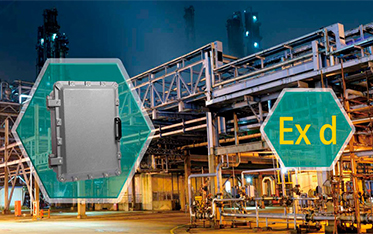
A Class 1 Division 2 (C1D2) enclosure is required in locations where flammable gases or vapors are not normally present during standard operations but could exist under abnormal conditions such as equipment failure, leaks, or ventilation breakdown. These enclosures are engineered to prevent ignition sources from causing an explosion if such gases are accidentally released.
Understanding when C1D2 protection is necessary — and when it is not — is essential for engineers, safety officers, and procurement teams working in hazardous environments. Over-specifying can increase project costs unnecessarily, while under-specifying can expose operations to severe compliance and safety risks.
This guide explains the practical meaning of Class 1 Division 2, how it differs from other hazardous ratings, and how to determine whether your facility truly requires it.
Understanding Class 1 Division 2 in Practical Terms
The NEC (National Electrical Code) classification system is often cited but not always fully understood in operational contexts.
Let’s break it down clearly:
In simpler terms:
If your facility handles flammable gas but does so inside sealed systems, and gas would only escape during a failure event, you are likely operating in a Division 2 environment.
Typical examples include:
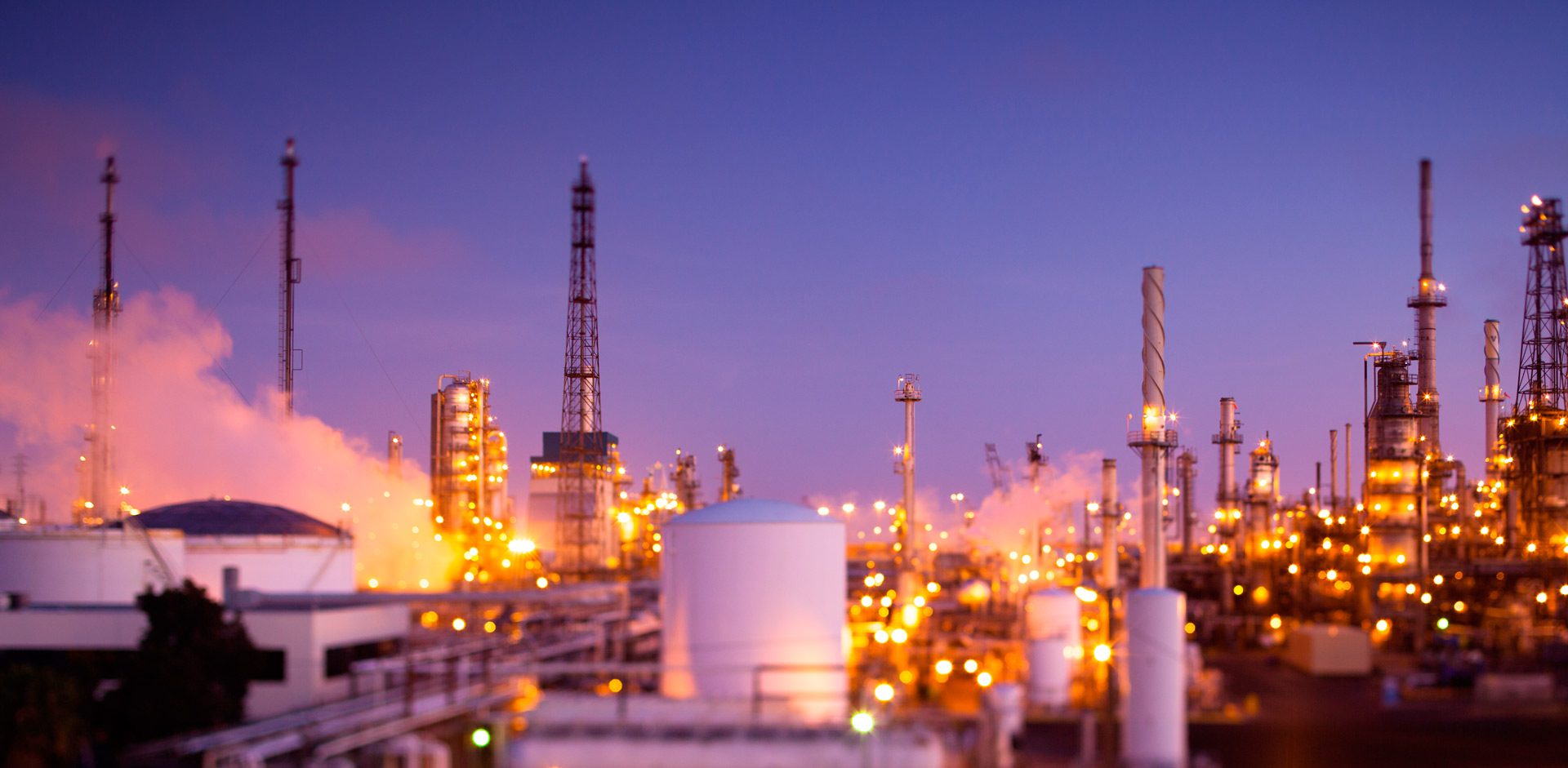
Gas compressor skids
Pipeline metering stations
Fuel storage pump areas
Chemical transfer systems
Hydrogen blending stations
Battery electrolyte filling zones
The key concept is probability of exposure, not simply the presence of hazardous materials somewhere in the facility.
Division 1 vs Division 2: The Cost and Engineering Difference
A common mistake in industrial design is assuming that any presence of flammable gas requires Division 1 equipment. This is not always accurate.
Division 1
Hazard exists under normal operating conditions.
Division 2
Hazard exists only under abnormal conditions.
Why this distinction matters:
Equipment design complexity
Material thickness
Installation requirements
Maintenance procedures
Capital cost
Division 1 enclosures are typically heavier, more robust, and more expensive. Division 2 enclosures are designed to prevent arcs or sparks from igniting accidental releases but do not require the same level of explosion containment engineering as Division 1 flameproof housings.
For many facilities, Division 2 is the correct and more economical solution.
When a C1D2 Enclosure Is Legally Required
You do not determine hazardous classification arbitrarily. It is established through:
Process hazard analysis (PHA)
HAZOP studies
Gas dispersion modeling
Local Authority Having Jurisdiction (AHJ)
Insurance risk assessments
A C1D2 enclosure becomes mandatory when:
✔ Flammable gas systems are present
✔ Gas could escape under equipment malfunction
✔ Ventilation failure could create temporary accumulation
✔ The area falls under NEC Article 500 classification
Industries that frequently require Class 1 Division 2 enclosures include:
Oil & gas midstream facilities
Chemical blending plants
LNG storage terminals
Renewable hydrogen production
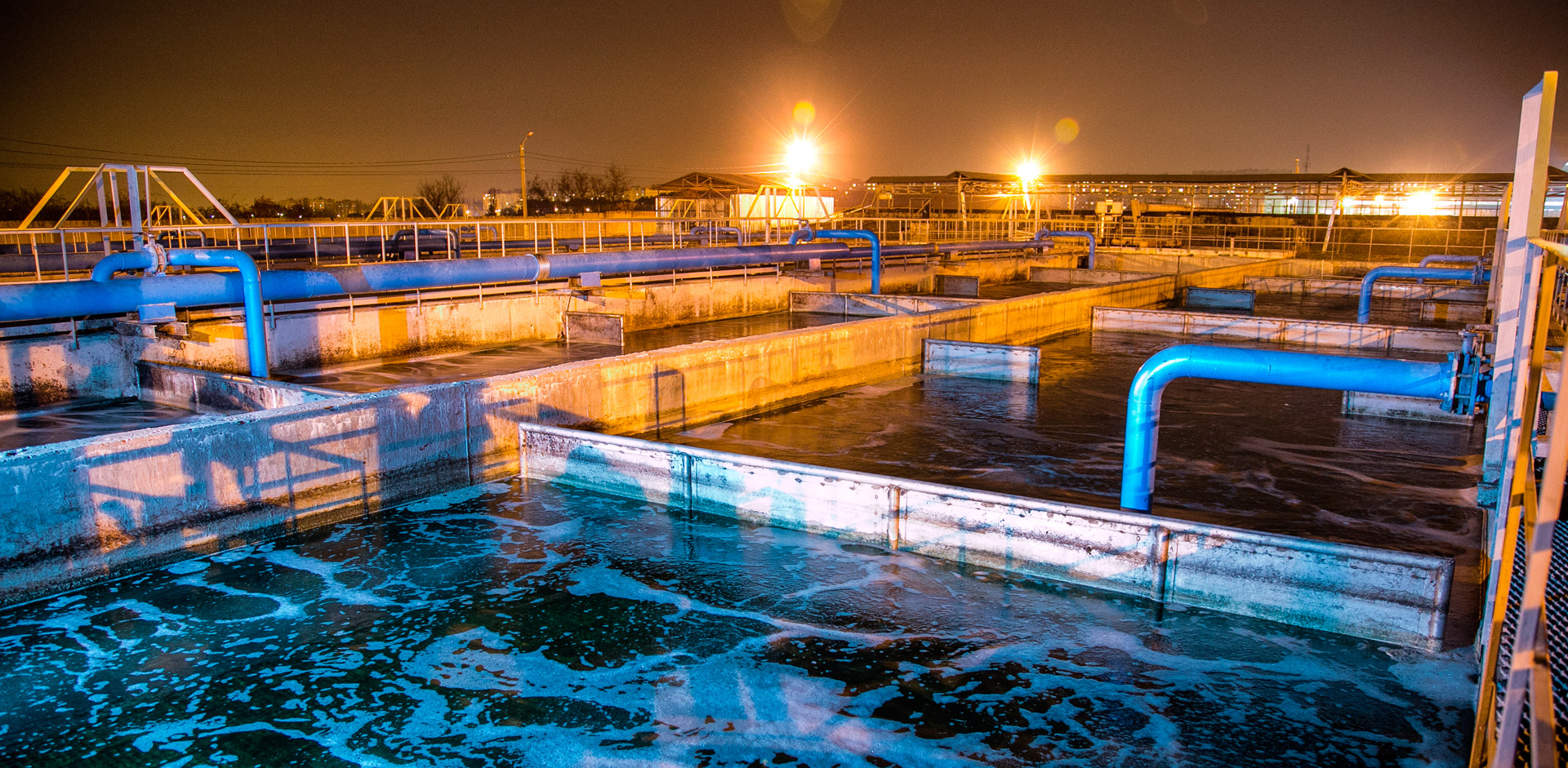
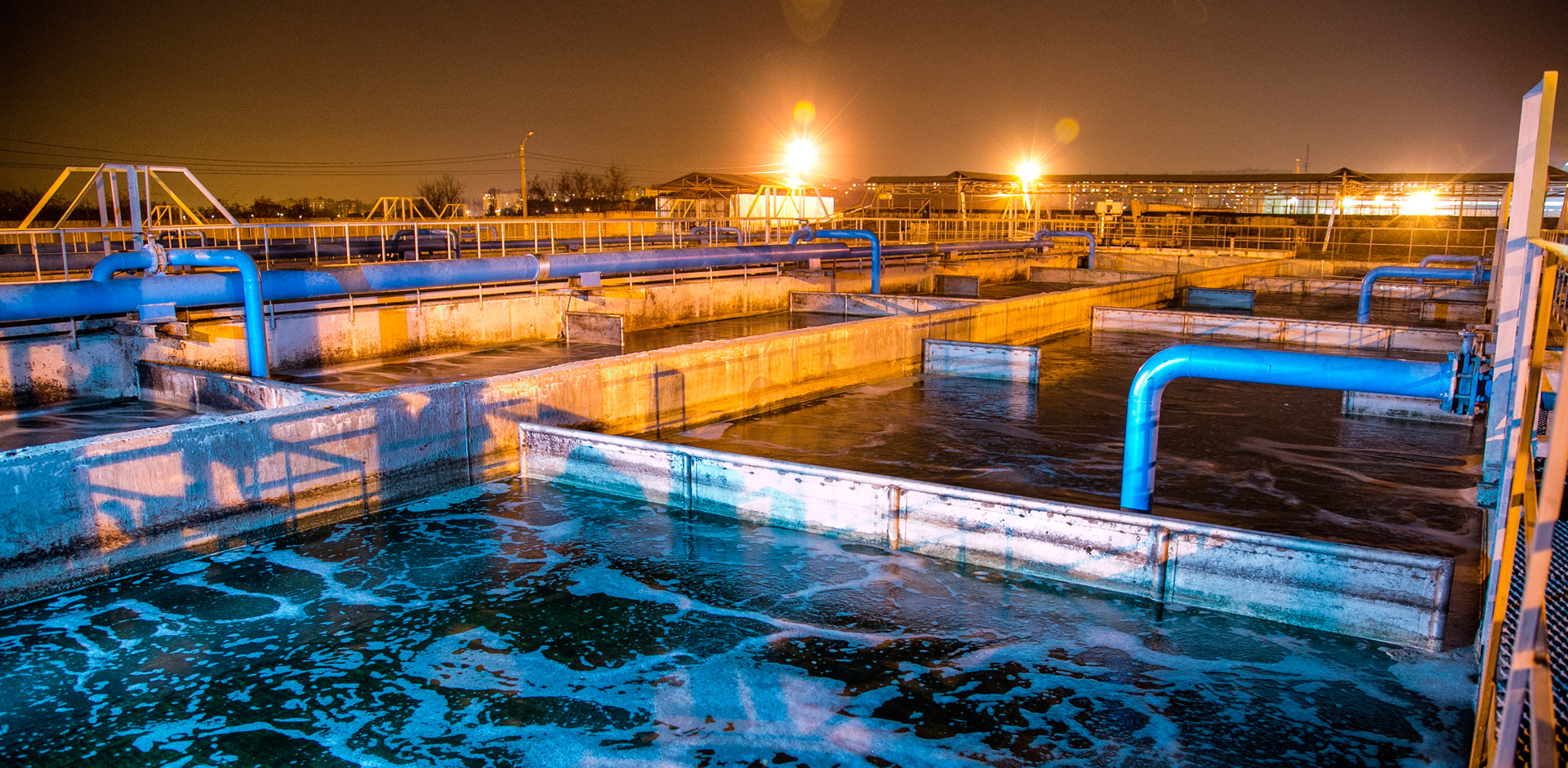
Wastewater treatment plants using methane recovery
Biofuel processing plants
In recent years, hydrogen infrastructure expansion has significantly increased Division 2 applications because hydrogen is often stored in controlled but high-pressure systems.
What Makes a Class 1 Division 2 Enclosure Compliant?
Compliance involves more than a label.
A properly engineered C1D2 enclosure must address:
1. Ignition Control
Electrical components inside the enclosure must not produce arcs or sparks capable of igniting a gas cloud in the surrounding atmosphere.
This may involve:
Sealed relays
Non-sparking terminal blocks
Intrinsically safe wiring methods
Limited surface temperatures
2. Temperature Code (T-Code)
Each hazardous gas has an ignition temperature. The enclosure’s surface must never exceed that threshold.
For example:
Engineering miscalculations in heat buildup inside panels are one of the most common compliance issues discovered during inspections.
3. Gasket and Sealing Integrity
Although Division 2 does not require full explosion containment like Division 1, proper sealing prevents gas ingress into sensitive components.
Environmental factors like corrosion, vibration, and UV exposure must also be considered.
C1D2 Enclosures in Renewable Energy and Hydrogen Projects
Between 2024 and 2026, hydrogen production facilities have driven new compliance challenges.
Hydrogen:
Most hydrogen blending stations and electrolyzer skids are classified as Division 2 because gas is contained within engineered piping systems but could escape if seals fail.
In these cases, enclosure selection must account for:
Stainless steel corrosion resistance
Pressure venting considerations
Heat dissipation for power electronics
Long-term outdoor exposure
Division 2 solutions provide a balance between safety and operational flexibility.
Indoor vs Outdoor C1D2 Installations
Environmental conditions influence enclosure design significantly.
Indoor Applications
Outdoor Applications
Rain, snow, and ice exposure
Solar heat load
Salt spray in coastal environments
Wide temperature fluctuations
For outdoor Division 2 areas, corrosion-resistant materials and weather-rated sealing are essential to maintain compliance throughout the enclosure’s service life.
Common Design Mistakes in C1D2 Projects
Even experienced project teams sometimes make costly errors.
Overcrowded Internal Components
Insufficient spacing leads to:
Improper Cable Entry Selection
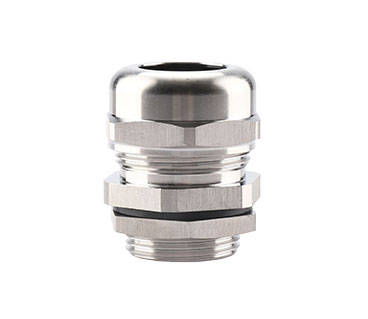
Cable glands must match both environmental and hazardous ratings.
Ignoring Future Expansion
Many facilities underestimate future load increases. Enclosures should allow space for additional components to avoid full replacement later.
Using Non-Rated Windows
If viewing windows are added for monitoring, they must meet hazardous location standards. Standard industrial windows are not acceptable.
Maintenance Considerations for Class 1 Division 2 Systems
Division 2 equipment is often selected for its easier maintenance compared to Division 1 systems. However, compliance still requires:
Field modifications must be documented. Unauthorized drilling or retrofitting can void certification.
How to Determine If You Actually Need C1D2
Not every industrial site requires hazardous classification.
Ask these questions:
Is flammable gas present in the process?
Could it escape under abnormal conditions?
Would accumulation exceed lower explosive limits?
Has a hazard assessment identified the zone?
Has the AHJ approved the classification?
If the answer to these questions supports Division 2 conditions, then compliant enclosures are required.
If not, a standard industrial enclosure may be sufficient — saving significant capital cost.
Frequently Asked Questions
1. What is the main difference between Class 1 Division 1 and Division 2?
Division 1 assumes hazardous gas is present during normal operations. Division 2 assumes gas is only present during abnormal conditions such as leaks or equipment failure.
2. Can a standard industrial enclosure be used in a Division 2 area?
No. It must be specifically rated and certified for Class 1 Division 2 use under NEC standards.
3. Does Division 2 require explosion containment like Division 1?
Not necessarily. Division 2 focuses on preventing ignition sources rather than containing an internal explosion.
4. Is stainless steel required for C1D2 enclosures?
It is not always mandatory, but it is highly recommended in corrosive or outdoor environments to ensure long-term compliance.
5. Are hydrogen facilities always Division 2?
Many hydrogen facilities fall under Division 2 because gas is contained under normal operation but may be released under abnormal conditions. Final classification depends on engineering analysis.
6. Who determines hazardous classification?
The facility owner, engineering team, and local Authority Having Jurisdiction (AHJ) determine classification based on NEC guidelines and hazard analysis studies.
Closing Perspective
A Class 1 Div 2 enclosure is not just a regulatory checkbox — it represents a carefully calculated safety decision based on probability, engineering controls, and environmental risk.
As industrial systems evolve — especially in hydrogen energy, battery production, and chemical processing — Division 2 installations are becoming increasingly common. Proper classification, accurate heat calculations, and material selection ensure long-term compliance and operational stability.
Choosing the correct enclosure begins not with the product, but with a thorough understanding of the hazard environment it is meant to protect.
References
National Fire Protection Association (NFPA). NFPA 70: National Electrical Code (NEC), Article 500 – Hazardous Locations.
https://www.nfpa.org/codes-and-standards/nfpa-70-standard-development/70
Occupational Safety and Health Administration (OSHA). 29 CFR 1910.307 – Hazardous (Classified) Locations.
https://www.osha.gov/laws-regs/regulations/standardnumber/1910/1910.307
International Electrotechnical Commission (IEC). IEC 60079 – Explosive Atmospheres Standards.
https://www.iec.ch/
U.S. Department of Energy. Hydrogen Safety Resources.
https://www.energy.gov/eere/fuelcells/hydrogen-safety


 English
  Español
  português
  русский
  日本語
日本語  العربية
  français
  Deutsch
  한국어
한국어  italiano
  Malay
Malay 
 ATEX/IECEx Standard
 Each member of the SUREALL team works hard to save energy, reduce budget, maximize durability, bring success to every project for every customer. Here are just a few examples of how we've impacted the markets we're proud to serve.View More +